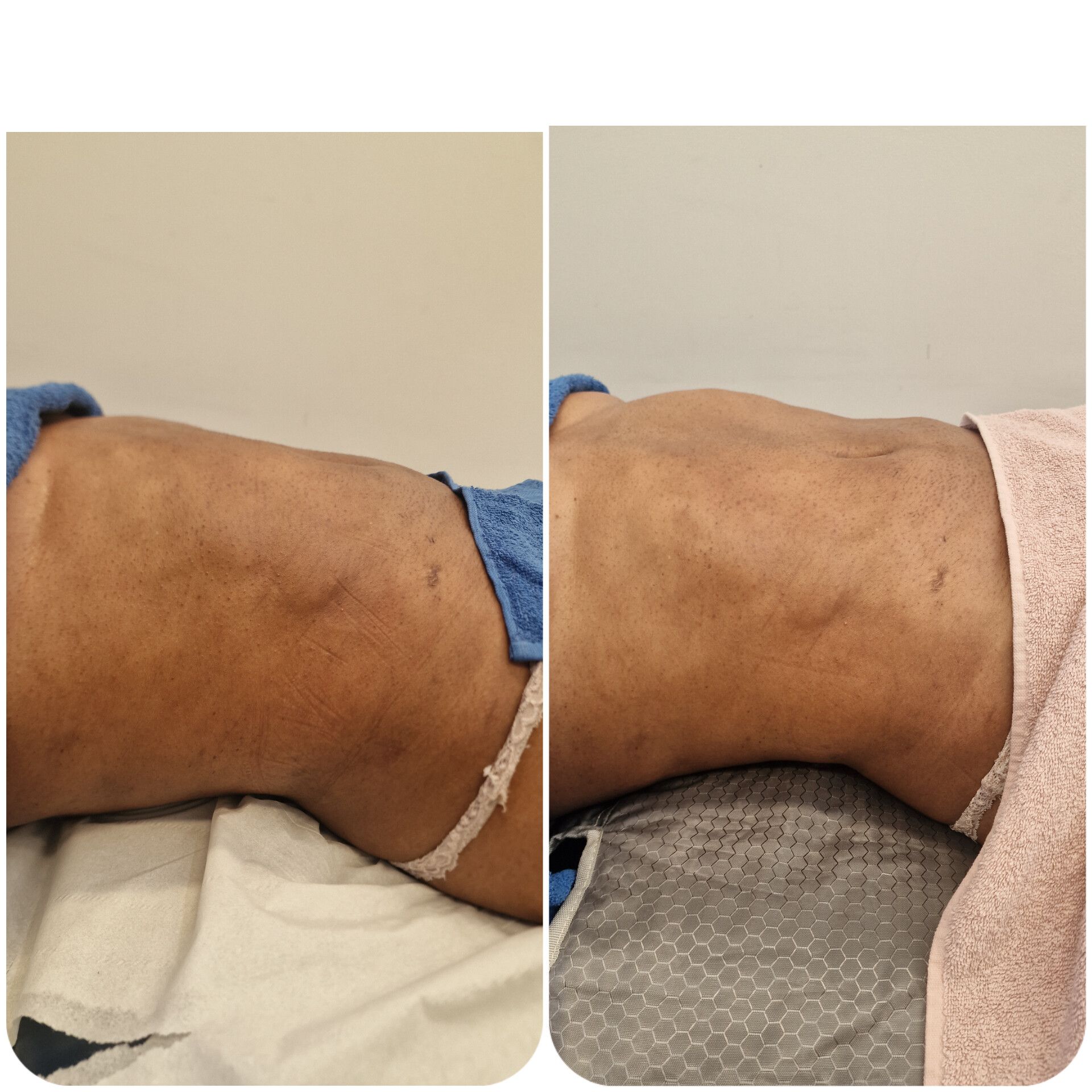
Understanding and Treating Post‑Op Fibrosis After Cosmetic Fat Removal
The secrets of Ultrasonic Cavitation + Radiofrequency
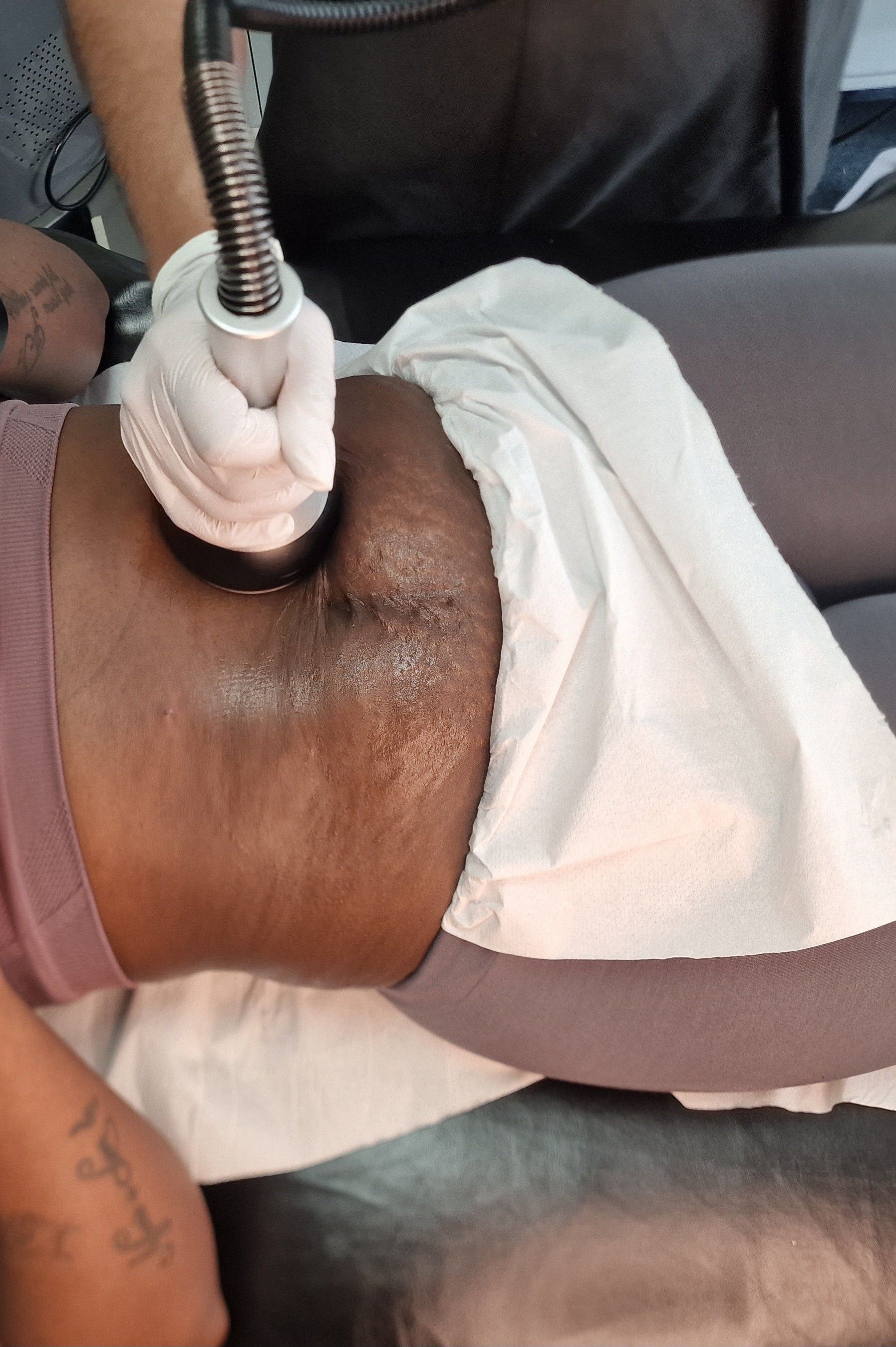
Ultrasonic Cavitation has emerged as an FDA-approved solution for non-surgical fat reduction. This revolutionary procedure utilises ultrasound technology to target and eliminate fat cells in specific areas of the body, making it an attractive option for those seeking to tackle stubborn pockets of fat that resist traditional diet and exercise. In this blog, we’ll explore what Ultrasonic Cavitation is, how it works, its benefits, and much more.
What is Ultrasonic Cavitation?
Ultrasonic Cavitation is a revolutionary method for non-surgical body contouring. It’s an FDA-approved procedure that employs ultrasound waves to eliminate fat cells in precise areas of the body. Common treatment areas include the arms, belly, love handles, thighs, and even the chin. If you’re looking to reduce the circumference of your thighs, hips, stomach, or get rid of those pesky, unyielding pockets of fat, Ultrasonic Cavitation could be the extra push you need in your journey to a slimmer, more contoured you.
What Does Ultrasonic Cavitation Feel Like?
One of the most remarkable aspects of Ultrasonic Cavitation is that it’s a virtually painless and non-invasive procedure. During the treatment, you may experience a gentle warming sensation in the targeted area, along with a mild vibration in the fat layer. Additionally, you might notice a faint ringing in your ears caused by the ultrasound waves passing through your tissues. Rest assured, these sensations are perfectly safe and are known to subside once the cavitation head is removed.
How Does Ultrasonic Cavitation Work?
The magic behind Ultrasonic Cavitation lies in its ability to send ultrasound waves deep into the layers of your skin, causing a vibration. This vibration breaks apart fat cells, causing them to dislodge from your dermal layers. Over the course of a few days, your lymphatic system absorbs these dislodged fat cells, ultimately flushing them out as waste from your body.
Are the Effects Permanent?
The results of Ultrasonic Cavitation can be permanent as long as you maintain a healthy diet and exercise regimen. This is because the fat cells in the treated area have been permanently eliminated.
What Are the Benefits of Ultrasonic Cavitation?
Ultrasonic Cavitation offers a plethora of benefits, making it an attractive option for those seeking non-invasive body contouring:
- Remove Localised Fat and Cellulite and Reshape the Body: Say goodbye to trouble spots that just won’t budge.
- A More Defined and Contoured Look: Achieve the sculpted body you desire.
- Tighter, Firmer Skin: The procedure can lead to a firmer and more toned appearance.
- Improved Lymphatic Drainage: This aids in the removal of toxins and excess fluids from the body.
- Increased Blood Flow: Better circulation brings more oxygen and nutrients to the skin.
- Improved Metabolism: It can boost metabolic activity within the skin.
- Improved Skin Tone, Colour, and Texture: It enhances the overall quality of your skin.
- Improved Skin Tone, Colour, and Texture: It enhances the overall quality of your skin.
Are There Any Side Effects?
After Ultrasonic Cavitation, your body naturally eliminates the triglycerides, which might make you feel thirsty. It is recommended to drink at least 2 liters of water per day for 5-7 days to alleviate and eliminate these side effects.
How Soon Will I See Results?
Results from Ultrasonic Cavitation may become visible around 6 to 12 weeks after the treatment. Some individuals may notice inch loss earlier. Typically, multiple sessions are scheduled over several weeks or months to maximise the effects.
Pre-Treatment Preparation
For optimal results and safety, consider the following pre-treatment guidelines:
- Avoid heavy meals and fatty foods 1 hour before the treatment.
- Steer clear of caffeine 2 hours before the session.
- Refrain from alcohol for 24 hours prior to the treatment.
- Do not undergo laser treatments in the area for 2 weeks before the session.
- Ensure your skin is healthy, without redness, irritation, or broken skin.
- If you’ve had cosmetic surgery, consult your surgeon for medical approval before proceeding with non-surgical body contouring treatments.
Post-Treatment After-Care
Maintaining a healthy diet is crucial both before and after Ultrasonic Cavitation to optimise the fat removal process. Other post-treatment recommendations include:
- Drink at least 1-2 litres of water.
- Engage in at least 30 minutes of elevated heart rate cardio exercise within an hour after the treatment.
- Expect the treated area to feel warm, which is normal.
- Apply SPF 30 daily.
- Avoid waxing or laser treatments on the treated area for a specific period.
- Refrain from exfoliating the skin for a few days.
- Limit your intake of refined sugars and carbohydrates.
- Avoid alcohol consumption for at least 72 hours.
Who Is Ultrasonic Cavitation Not Suitable For?
While Ultrasonic Cavitation is a versatile procedure, it may not be suitable for everyone. Individuals who fall into the following categories should avoid this treatment:
- Pregnant or breastfeeding individuals (recommended to wait 6 months post-pregnancy and 12 months after a C-section).
- People with skin fold thickness less than 2cm.
- Those with infections or inflammation in the treatment area.
- Individuals with a history of malignancies.
- People with a cardiac pacemaker or other metal implants.
- Individuals with coagulation disorders or taking blood-thinning medications.
- Those with medical conditions like diabetes, osteoporosis, heart disease, kidney or liver failure.
How Many Sessions Will I Need?
For most clients, a series of 4 to 6 Ultrasonic Cavitation treatments, combined with Radio Frequency treatments, are recommended to achieve the best and most visible results. It’s important to allow at least 3 days between each session to ensure effective fat and toxin elimination.
Can I Lose Weight with Ultrasound Cavitation?
It’s important to note that Ultrasonic Cavitation is not intended for weight loss. Instead, it’s designed to reshape the body and remove localised fat or cellulite. It should not replace weight loss programs or regular exercise. Typically, patients should be in good health and within 10-15% of their ideal body weight.
Conclusion
There are many benefits to having the Ultrasonic Cavitation done especially when paired with Radiofrequency and/or pressotherapy. We at Body Language Health tailor these treatments to YOU as an individual so we can get the best results overall.
Do contact us today for a free consultation and let's you started with our specialists!
Share with your world
Understanding and Treating Post‑Op Fibrosis After Cosmetic Fat Removal
What Is Post‑Op Fibrosis — and Why Does It Happen?
When you undergo cosmetic fat removal — for example, liposuction — it’s not just fat that’s removed. The procedure inevitably causes trauma to the tissues: fat cells are disrupted, small blood vessels may be damaged, and lymphatic drainage is temporarily impaired. This triggers inflammation during healing, which in some cases can lead to fibrosis, or the formation of fibrous (scar) tissue.
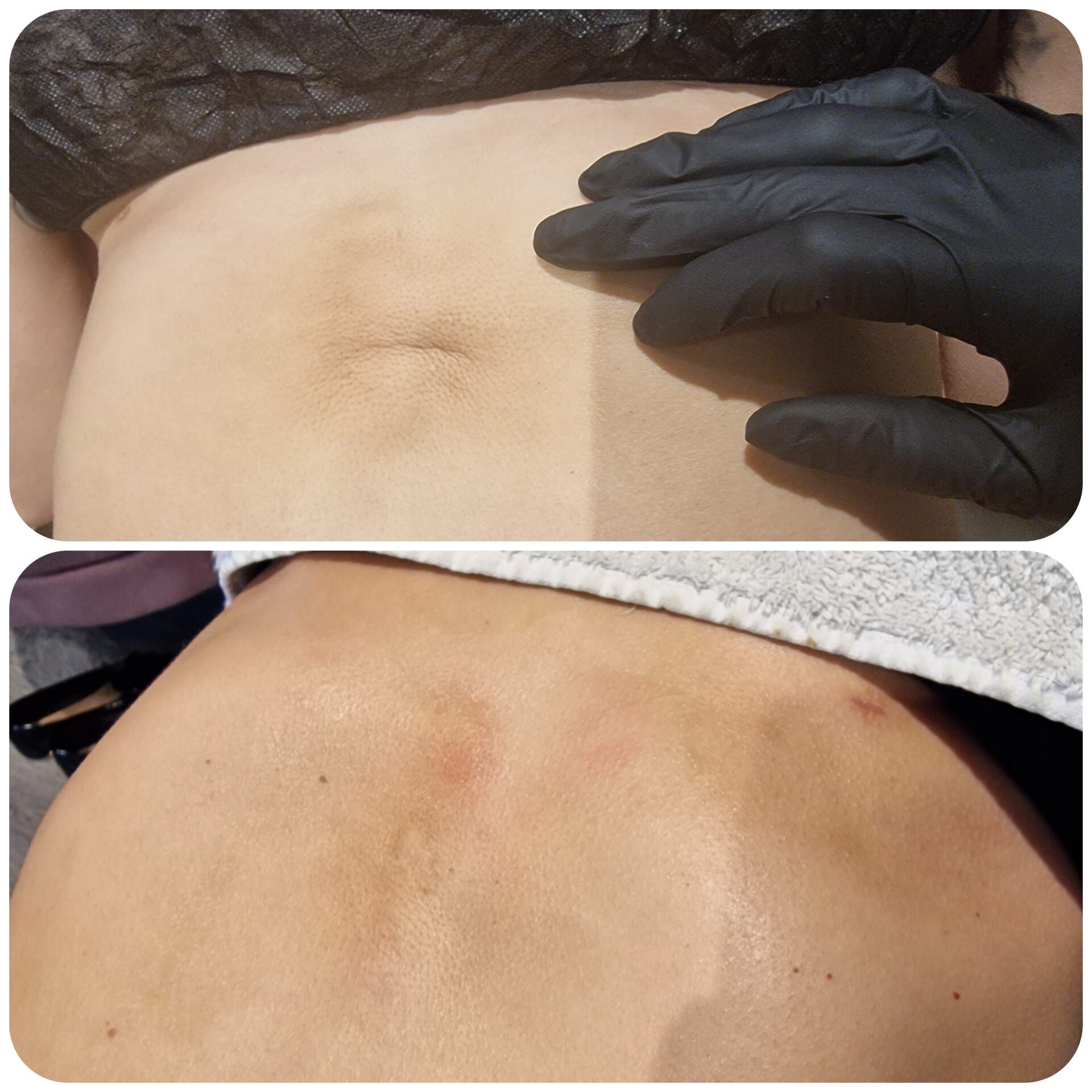
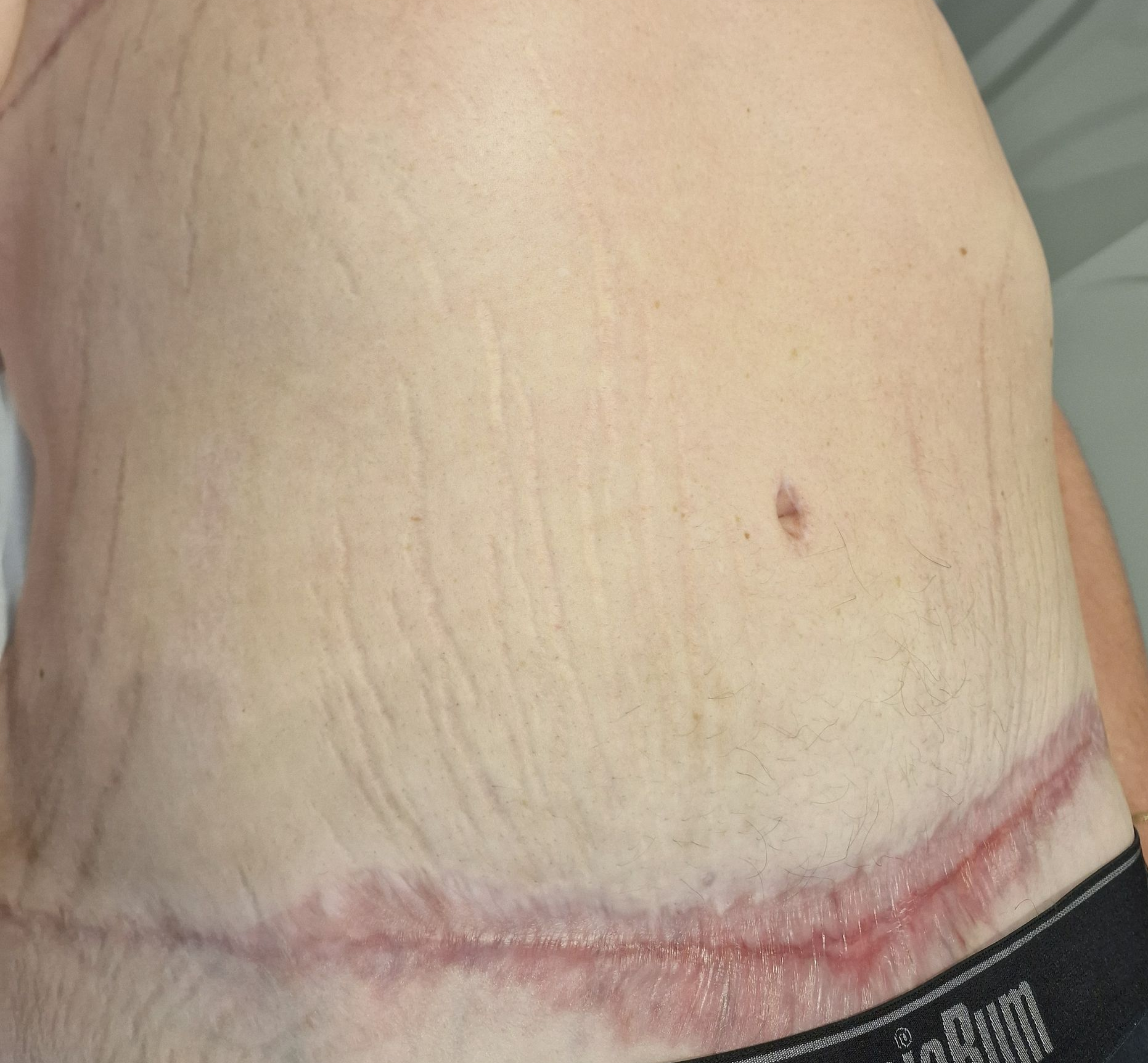
Fibrosis is essentially your body’s way of healing — but if it overcompensates, you can end up with hard lumps, uneven or tethered skin, and even areas of tightness or discomfort.
Left unchecked, inflammation can transform into long-term fibrosis — which is why early and effective post-op care is so key. Without proper lymphatic drainage and massage, the risk of permanent hardening is higher.
Signs to Watch For: How to Recognise Fibrosis Early
It’s important to detect fibrosis before it becomes more established. Here are some red flags:
- Hard or firm lumps under the skin, especially if they persist beyond the usual swelling period.
- Skin tightness, discomfort, or reduced mobility in the treated area.
- Texture irregularities: indentations, thickened tissue, or “adhesions” where the skin feels stuck.
- Pain that doesn’t subside over time, or which worsens.
If these symptoms continue for several weeks or months, it’s worth discussing with your surgeon or a post-op therapist.
Why Does Fibrosis Sometimes Become a Problem?
Some fibrosis is natural, but certain factors make it more likely to become problematic:
- Surgical Technique: More aggressive fat removal or rough handling can damage tissue more severely, increasing the fibrotic response.
- Poor Post‑Op Care: Skipping or delaying lymphatic drainage sessions, not wearing compression garments properly, or resuming strenuous activity too soon can all contribute.
- Genetic Predisposition: Some people just scar more aggressively.
- Inflammation & Fluid Build-Up: If lymphatic fluid isn’t drained, or there is persistent swelling, the body may lay down more collagen, leading to fibrotic bands or nodules.
How Body Language Health Can Help: Treatment & Prevention Strategies
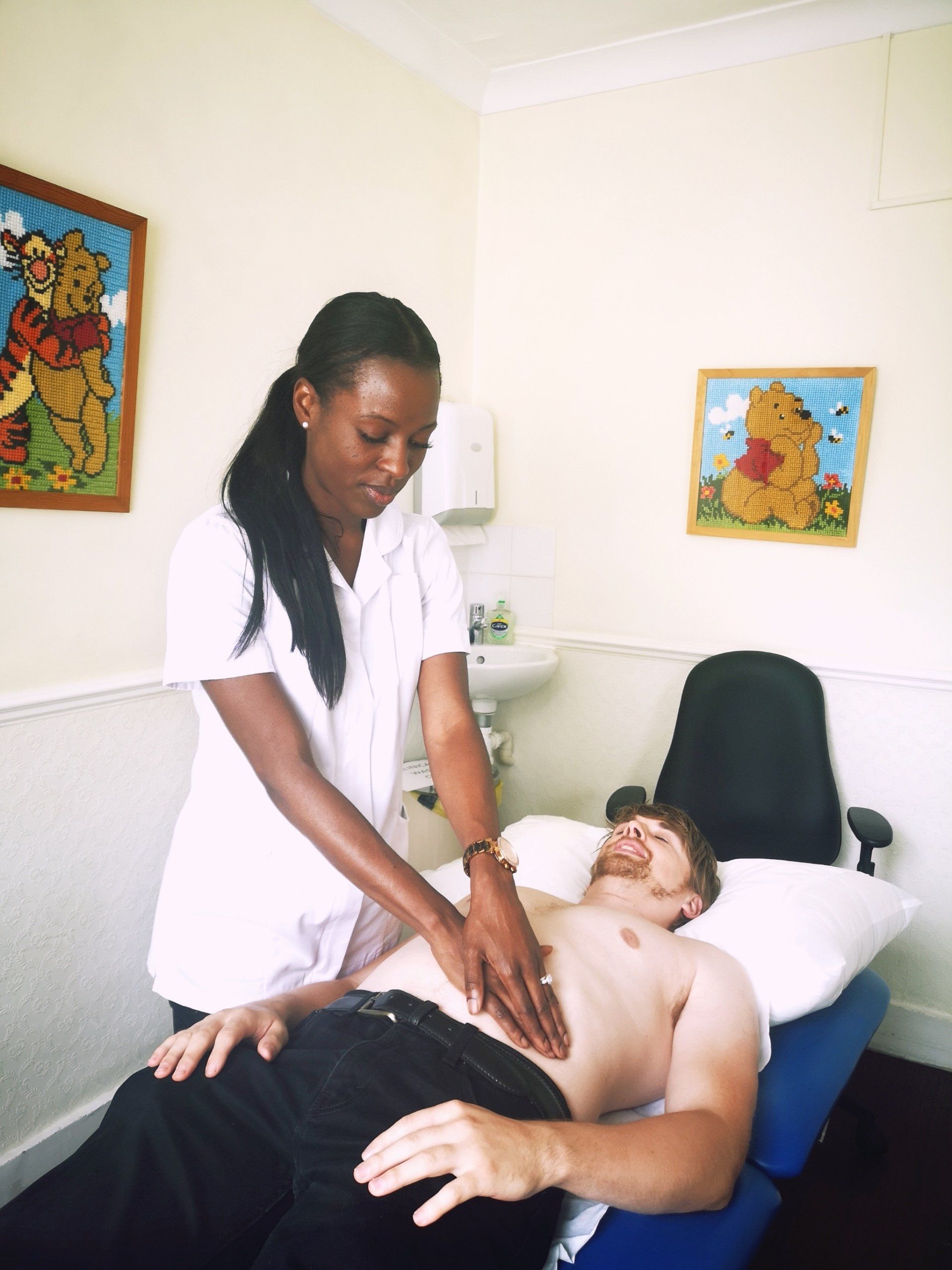
At Body Language Health, we offer osteopathy, manual lymphatic drainage (MLD), and other supportive therapies. Here’s how we approach fibrosis risk and treatment after cosmetic fat removal:
1. Manual Lymphatic Drainage (MLD)
- Early, gentle sessions help reduce swelling and encourage lymph flow, preventing fluid stagnation.
- Over time, MLD can help soften early fibrotic bands, reducing the risk of permanent hardening.
- We offer post-op MLD in our clinics in Woolwich and Wouldham.
2. Compression + Heat Therapy
- Compression garments are crucial. They support tissues, reduce swelling, and help prevent fluid accumulation, which in turn reduces fibrotic risk.
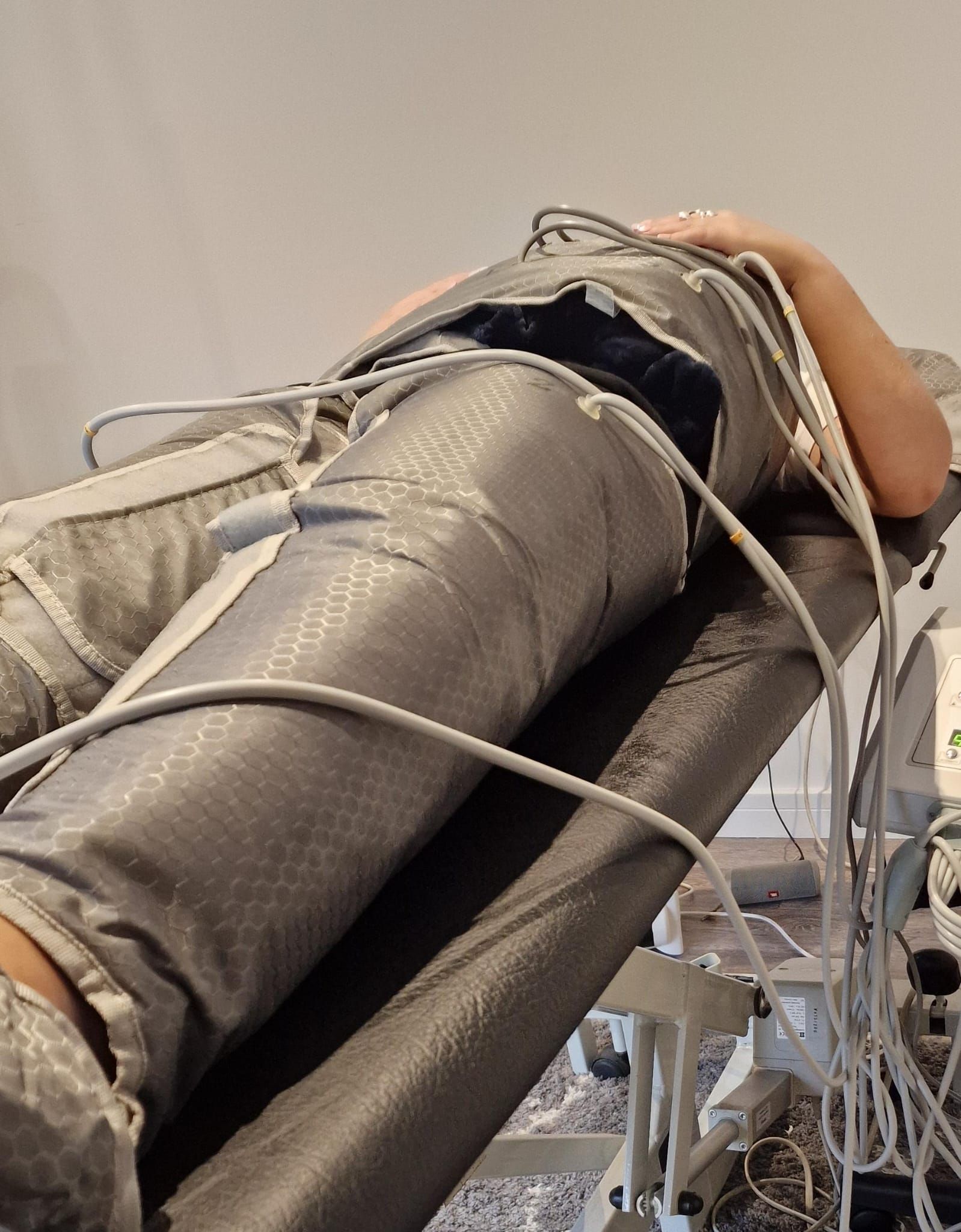
- We also use pressotherapy, which combines lymphatic massage with controlled compression to further promote fluid drainage.
3. Non-Invasive Treatments
- Ultrasound (Cavitation): Our clinic offers ultrasonic cavitation. This helps break down fat but also supports lymph drainage and tissue remodelling. (suitability differs)
- Radiofrequency (RF) Skin Tightening: We offer RF to stimulate collagen in a controlled way. Done carefully, this can improve skin texture without worsening fibrosis.
4. Lifestyle & Patient Education
- Hydration & Nutrition: Supporting your lymphatic system through fluid intake and a nutrient-rich diet helps your body heal more effectively.
- Gentle Movement & Stretching: Depending on your recovery, gentle exercise (walking, light stretching) supports circulation and lymph flow.
- Follow-Up: We emphasise regular follow-ups, so we can detect early signs of fibrosis and intervene sooner rather than later.
When More Intensive Treatment Is Needed
For more established or stubborn fibrosis, more targeted approaches can help:
- Professional Massage / Deep Tissue Work: After the early healing phase, a therapist can apply firmer, deeper slow friction/stretch to break down fibrotic tissue.
- Ultrasound Therapy: Using ultrasound to provide a “micro‑massage” to scar tissue — often more effective than manual massage alone.
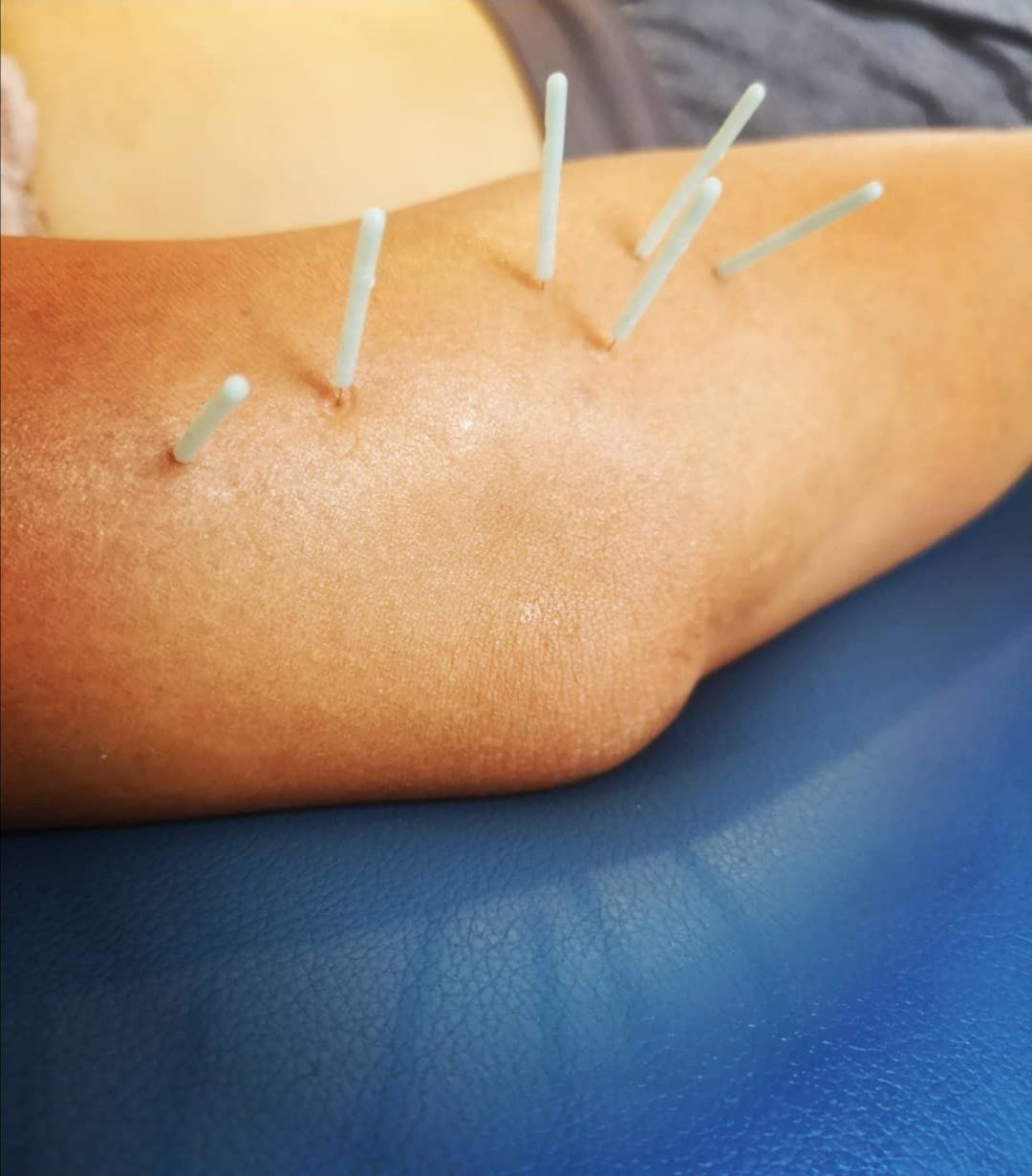
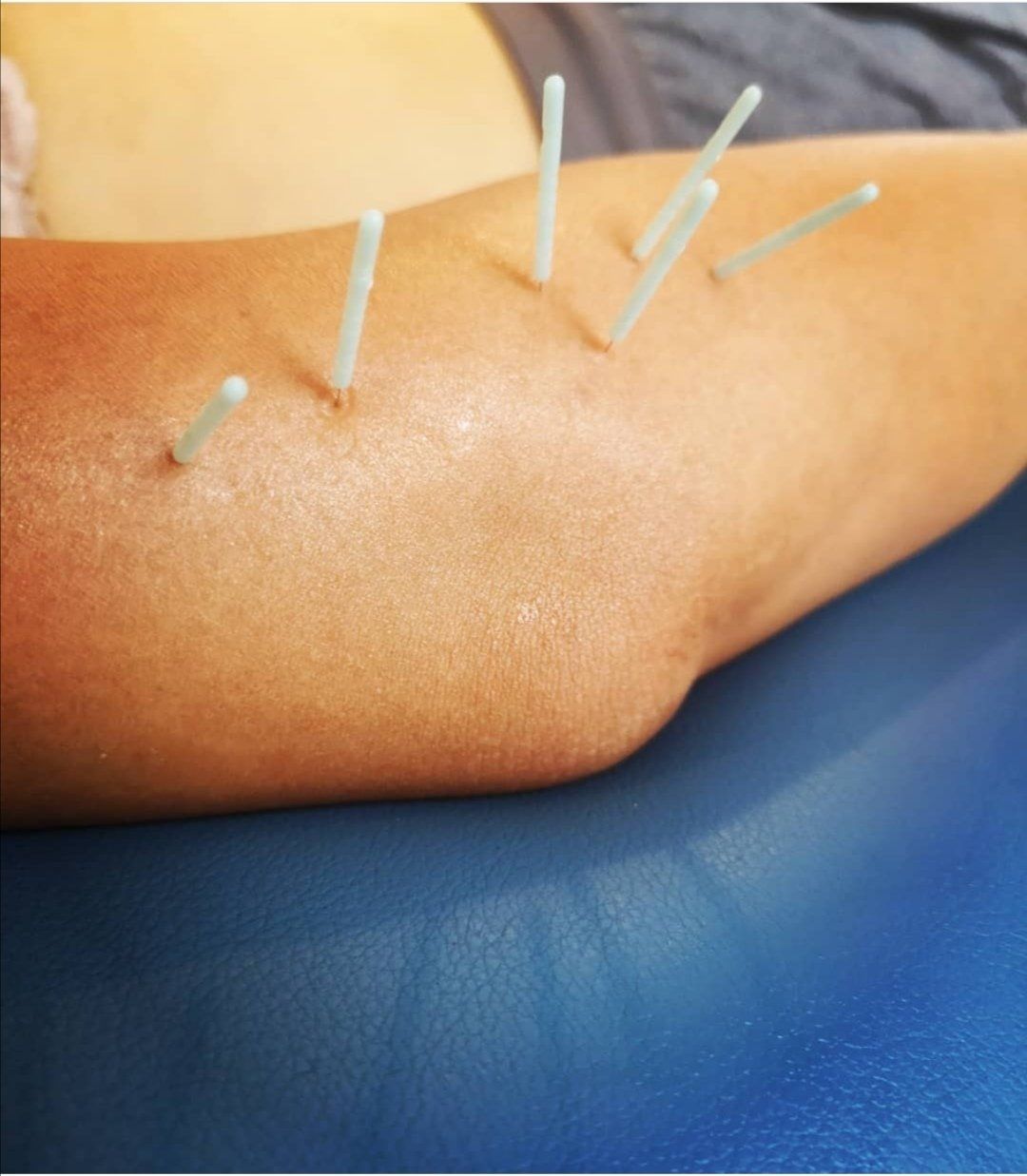
- Combined Therapies: Radiofrequency, Acupuncture, cupping- may be combined for remodelling and smoothing.
Patience Is Key: Fibrosis doesn’t resolve overnight. It may take weeks or months of regular treatment to see meaningful improvement.
Post-op fibrosis is not uncommon, but with proactive care, it doesn’t have to compromise your results. At Body Language Health, we believe in a holistic, patient-centred approach: combining manual therapies, compression work, exercise advice, and non-invasive technologies to support smooth, healthy healing.
If you're preparing for cosmetic fat removal, or are already in your recovery phase and concerned about fibrosis, our team in Woolwich or Wouldham can help design a tailored post-op plan.
Book a consultation with us to discuss your post-surgery recovery – we’d love to help you make the most of your results.
If you like, I can also include before-and-after case studies, patient stories, or graphics for this post — do you want me to add those?