Understanding and Treating Post‑Op Fibrosis After Cosmetic Fat Removal
-Lymphoedema
-Lipedema
At Body Language Health, we understand the challenges faced by individuals dealing with lipedema and lymphoedema. Our specialized treatments and holistic approach aim to alleviate symptoms, enhance mobility, and improve overall quality of life. Here's how our services can support you in managing these conditions.
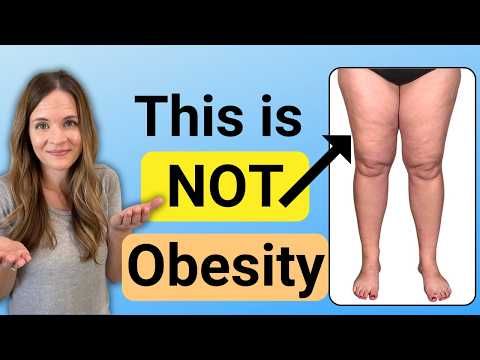
What Are Lipedema and Lymphoedema?
Lipedema is a chronic condition characterized by abnormal fat accumulation, primarily in the legs and sometimes the arms, often leading to pain and tenderness. Unlike cellulite, which is cosmetic, lipedema is a medical condition that doesn't respond to weight loss through diet and exercise .
Lymphoedema involves swelling due to a compromised lymphatic system, often resulting from surgery, radiation, or other medical treatments. It can cause discomfort and increase the risk of infections if not properly managed.
Treatments and Services
1) Ultrasonic Cavitation: Targeting Fat Cells Gently
Ultrasonic cavitation uses low-frequency sound waves to break down stubborn fat cells, especially in areas resistant to diet and exercise.
Benefits for Lipedema:
- Targeted Fat Reduction: Helps contour areas affected by lipedema (thighs, hips, arms) without surgery.
- Improved Circulation: Enhances blood flow to affected tissues, reducing feelings of heaviness and tightness.
- Smoother Appearance: Can reduce the uneven, dimpled texture often seen with lipedema.
- Non-Invasive & Painless: No downtime or incisions required—safe for those who may not be candidates for surgery.
🔁 Recommended Frequency: 1–2 sessions per week, with noticeable results often seen after 6–10 sessions. Maintenance every 4–6 weeks may be advised.
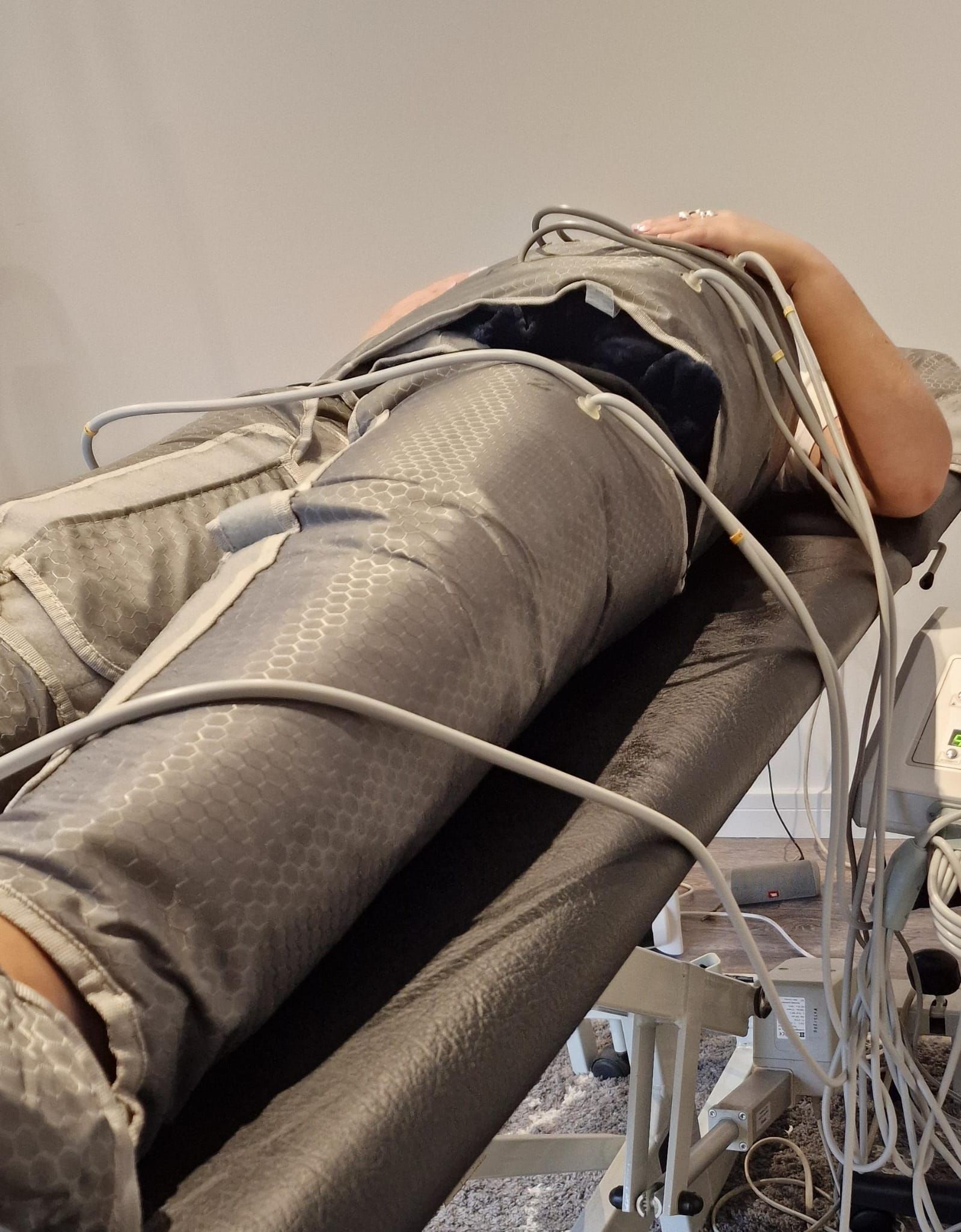
2) Pressotherapy is a mechanical lymphatic drainage system that uses controlled air pressure suit to gently compress the limbs, stimulating circulation and lymph flow.
Benefits for Lipedema:
- Reduces Swelling & Fluid Retention: Helps alleviate the “heaviness” and tightness in limbs
- Supports Lymphatic Drainage: Aids in detoxification and improves the body’s natural elimination processes after Ultrasonic Cavitation.
- Pain Relief & Comfort: Gentle pressure can ease sensitivity and discomfort in affected areas.
- Enhanced Recovery: Works well in combination with other therapies like MLD or cavitation for amplified results.
Recommended Frequency: 2–3 sessions per week. Some individuals feel immediate relief, while ongoing use over 4–6 weeks provides longer-lasting benefits.
3) Manual Lymphatic Drainage (MLD):
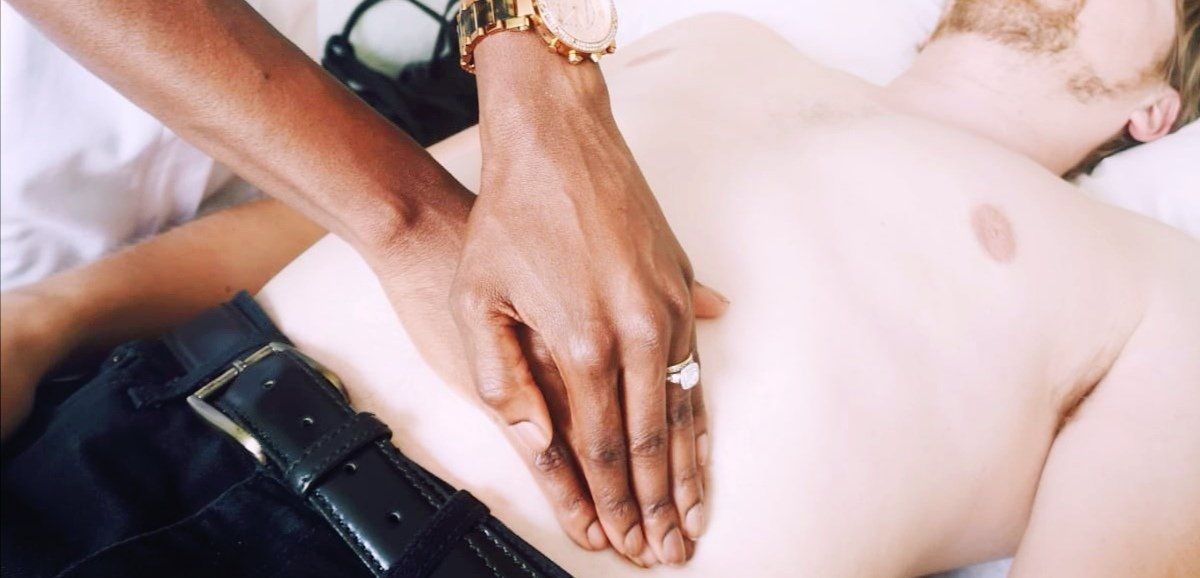
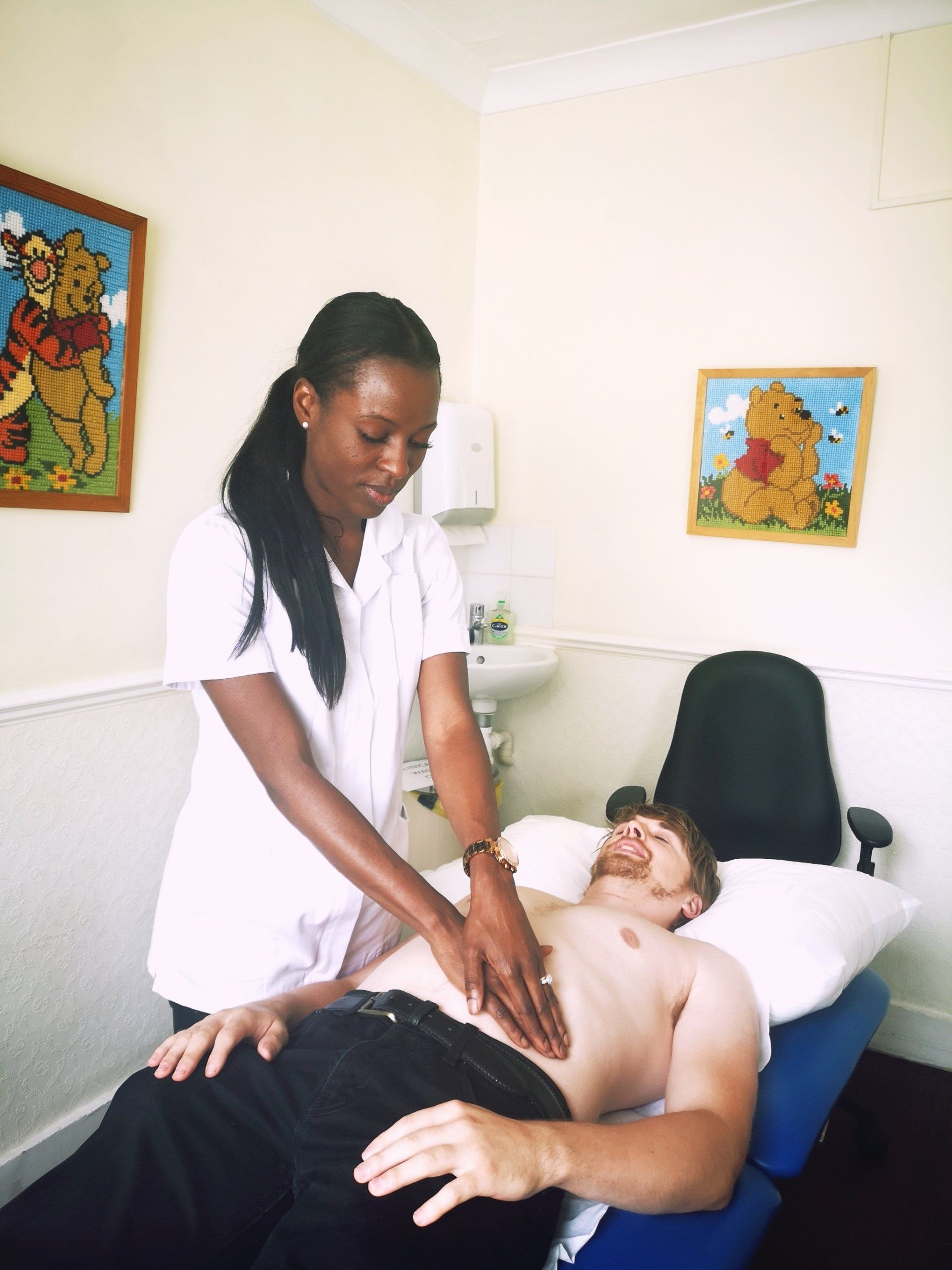
This gentle massage technique stimulates the lymphatic system, promoting the removal of toxins and reducing swelling. It's particularly beneficial for both lipedema and lymphoedema patients. Regular sessions can lead to noticeable improvements in fluid retention and skin texture.
Lifestyle Changes for Better Management-
1. Maintain a Healthy Weight:
Excess weight can exacerbate symptoms. A balanced diet and regular exercise can help in weight management.
2. Elevate Affected Limbs:
Raising swollen limbs can assist in fluid drainage and reduce swelling.
3. Compression Therapy
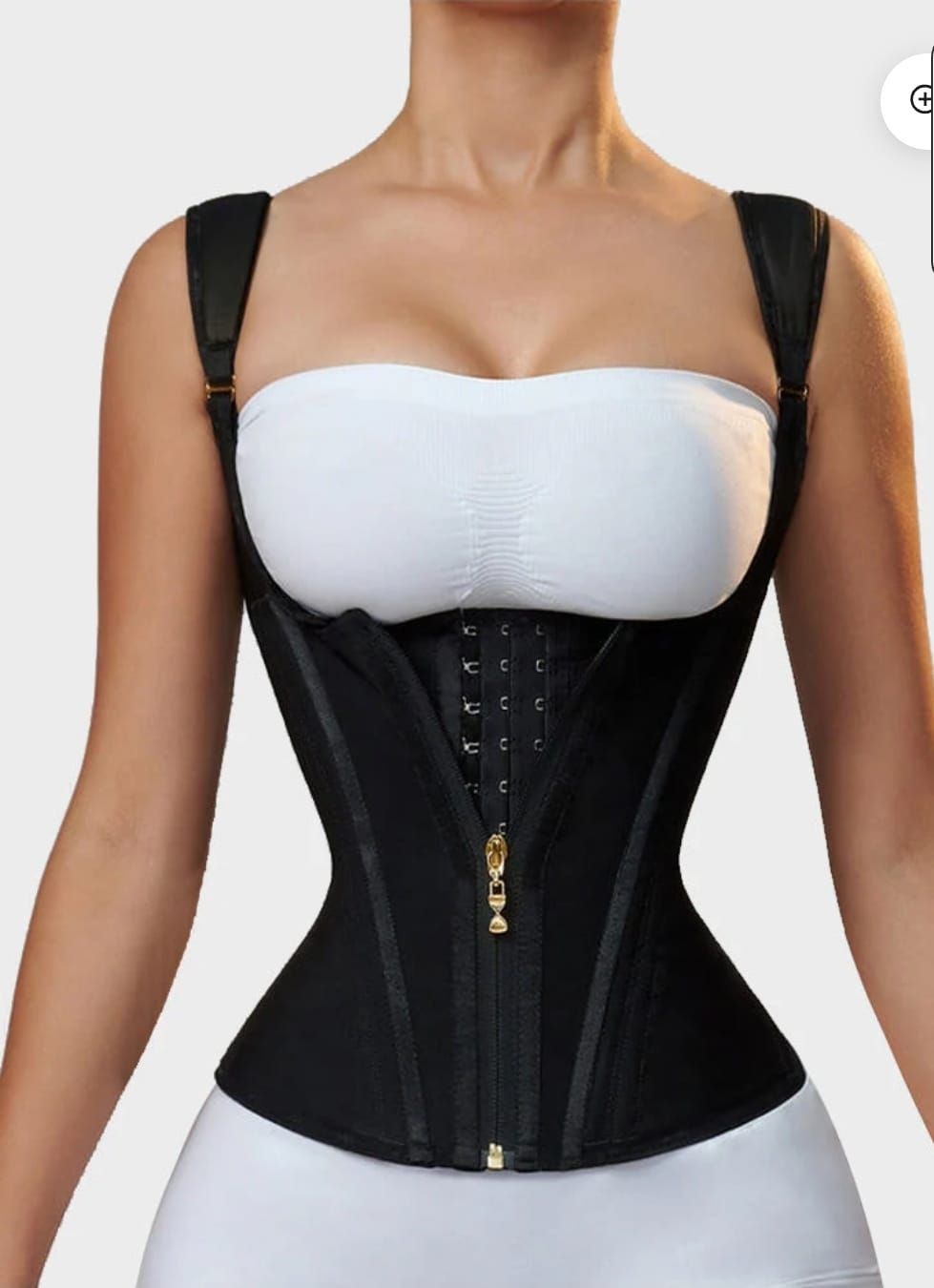
Wearing compression garments helps in reducing swelling and supports the affected areas. We provide guidance on selecting the right compression wear tailored to your needs.
4. Stay Hydrated:
Drinking plenty of water aids in the removal of toxins and supports lymphatic health.
5. Manage Stress:
Practices like yoga, meditation, and deep breathing exercises can help in reducing stress, which may otherwise exacerbate symptoms.
Benefits of Lymphatic drainage for Lymphoedema
- Improved Lymphatic Flow:
- MLD helps stimulate the lymphatic system, increasing the movement of lymphatic fluid throughout the body.
- This improved flow aids in the removal of toxins, waste products, and excess fluid, contributing to detoxification.
2. Reduced Swelling and Odema:
- MLD can be particularly effective in reducing swelling, especially in conditions like lymphedema, where fluid can accumulate in tissues.
- It can also help with post-surgery swelling and improve fluid balance.
3. Immune System Support:
- By promoting lymphatic flow, MLD can enhance immune function by facilitating the movement of immune cells throughout the body.
- This may help the body fight off infections and improve overall health.
4. Stress Reduction and Relaxation:
- The gentle strokes of MLD can have a relaxing effect, reducing stress and promoting a sense of well-being.
- This can also lead to improved sleep and reduced anxiety.
5. Improved Skin Health:
- MLD can improve skin appearance by reducing puffiness and promoting a more even skin tone.
- It may also help improve skin texture and elasticity.
6. Potential Benefits for Specific Conditions:
- Lymphedema:
- MLD can be a crucial part of managing lymphedema, helping to move fluid from swollen areas.
- Post-Surgery:
- MLD can aid in reducing swelling and promoting healing after surgery.
- Sinus Infections:
- MLD can help drain excess fluid in the sinuses, relieving congestion and pressure.
- Athletic Performance:
- MLD can help athletes recover faster, reduce muscle soreness, and improve performance.
7. Other Potential Benefits:
- May help improve circulation.
- May aid in weight loss by helping the body eliminate fat cells.
- May improve digestive health.
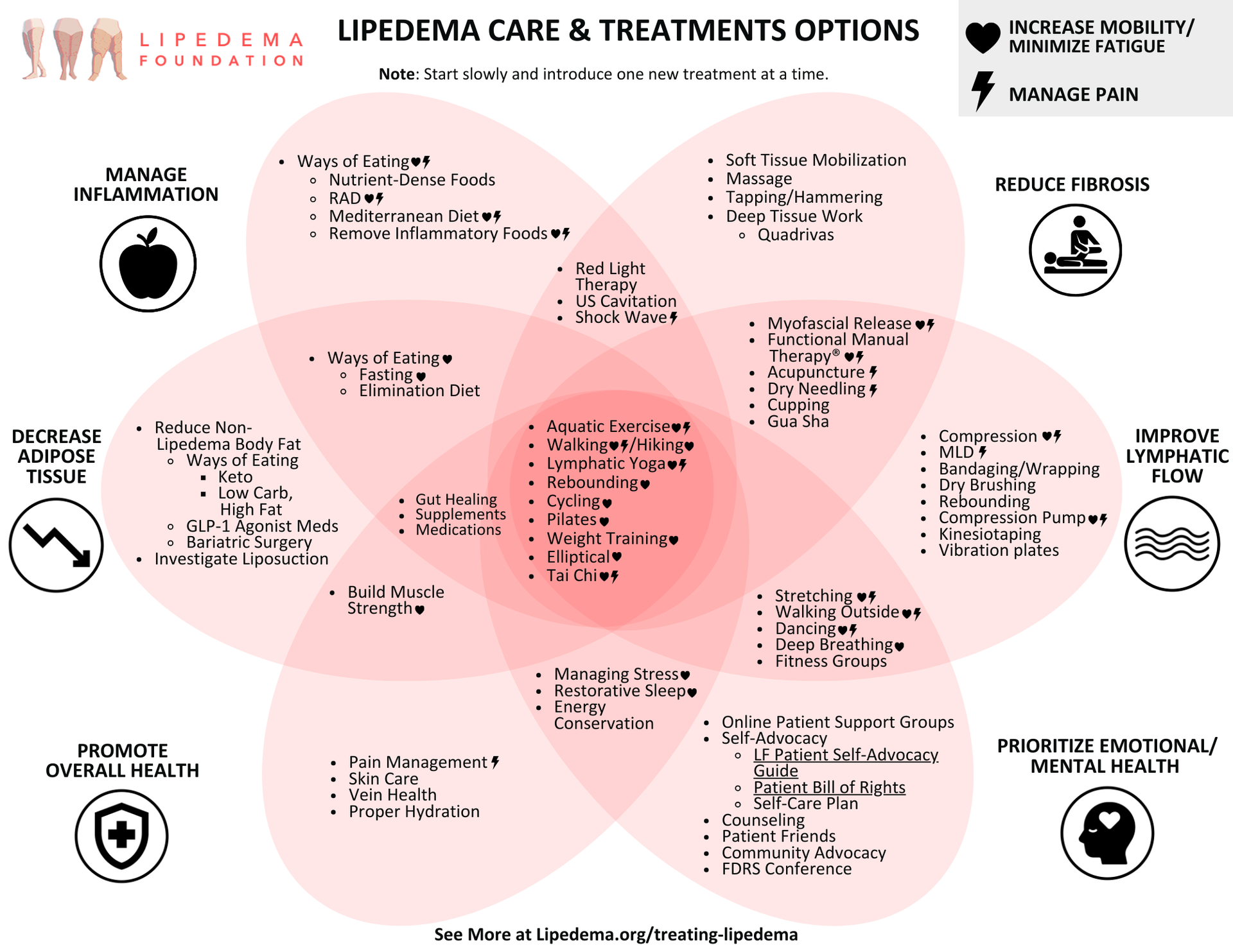
At Body Language Health, many of our clients begin to notice results immediately after their first Manual Lymphatic Drainage (MLD) session. Some people can see start to see and feel results within hours. This can include:
- A feeling of lightness or reduced bloating
- Noticeable reduction in swelling or puffiness
- Increased urination (a sign your body is flushing out toxins)
- Improved range of motion in stiff or swollen areas
However,
results vary depending on your individual body, condition, and goals. For post-surgery recovery or chronic conditions like lymphedema,
a series of sessions is typically recommended for best results. Some clients see progressive improvements over several days as the lymphatic system continues to work.
How Soon Will I See Results?
Pre-Treatment Preparation
To get the most out of your MLD session at our Woolwich or Wouldham clinic, we suggest the following:
✔ Hydrate Well – Drink plenty of water before your appointment. A well-hydrated body supports better lymph flow.
✔ Avoid Heavy Meals – Eat something light a few hours before your session to stay comfortable, but avoid large or heavy meals.
✔ Wear Comfortable Clothing – Loose-fitting clothes are ideal. You may be asked to partially undress depending on the area being treated, but your modesty will always be respected.
✔ Avoid Alcohol and Caffeine – These can dehydrate the body and may interfere with the detox process.
✔
Know Your Medical History – Let your therapist know about any recent surgeries, medical conditions, or medications.
Post-Treatment After-Care
To support your body’s detox and healing process:
- Stay Hydrated – Continue drinking water to flush toxins and aid lymph movement.
- Rest – Allow your body time to process the effects. Some clients feel deeply relaxed or even sleepy.
- Avoid Alcohol and Smoking – These slow down healing and can counteract the detox benefits.
- Eat Clean – Opt for light, nutritious meals post-treatment to support your system.
- Gentle Movement Helps – A light walk can help stimulate ongoing lymphatic flow.
- Consider a Warm Bath – This can aid relaxation and further support circulation, but avoid very hot water. (Avoid if post surgery and still advised to keep your dressings on)
Conclusion
Ready to support your healing journey? Still have questions?
We’re here to guide you every step of the way. Whether you're booking for Lipedema, Lymphoedema, post-surgical healing, swelling relief, bloating or general wellness, Body Language Health in Woolwich Arsenal and Wouldham, Kent, offers expert care tailored to your needs.
Call, send a message or book online today to start your journey toward feeling lighter, healthier, and more balanced.
Your body will thank you!
Share with your world
Understanding and Treating Post‑Op Fibrosis After Cosmetic Fat Removal
What Is Post‑Op Fibrosis — and Why Does It Happen?
When you undergo cosmetic fat removal — for example, liposuction — it’s not just fat that’s removed. The procedure inevitably causes trauma to the tissues: fat cells are disrupted, small blood vessels may be damaged, and lymphatic drainage is temporarily impaired. This triggers inflammation during healing, which in some cases can lead to fibrosis, or the formation of fibrous (scar) tissue.
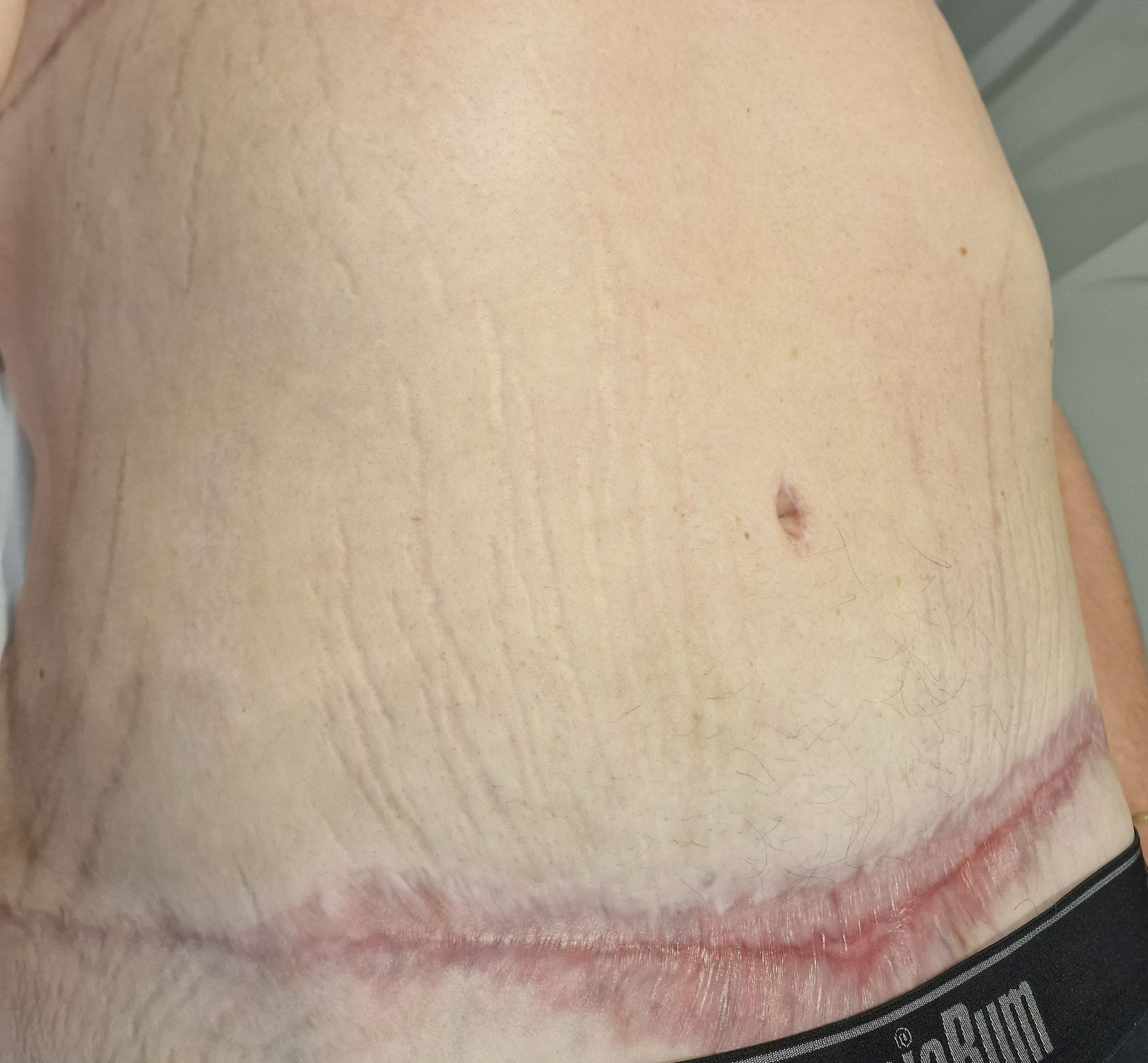
Fibrosis is essentially your body’s way of healing — but if it overcompensates, you can end up with hard lumps, uneven or tethered skin, and even areas of tightness or discomfort.
Left unchecked, inflammation can transform into long-term fibrosis — which is why early and effective post-op care is so key. Without proper lymphatic drainage and massage, the risk of permanent hardening is higher.
Signs to Watch For: How to Recognise Fibrosis Early
It’s important to detect fibrosis before it becomes more established. Here are some red flags:
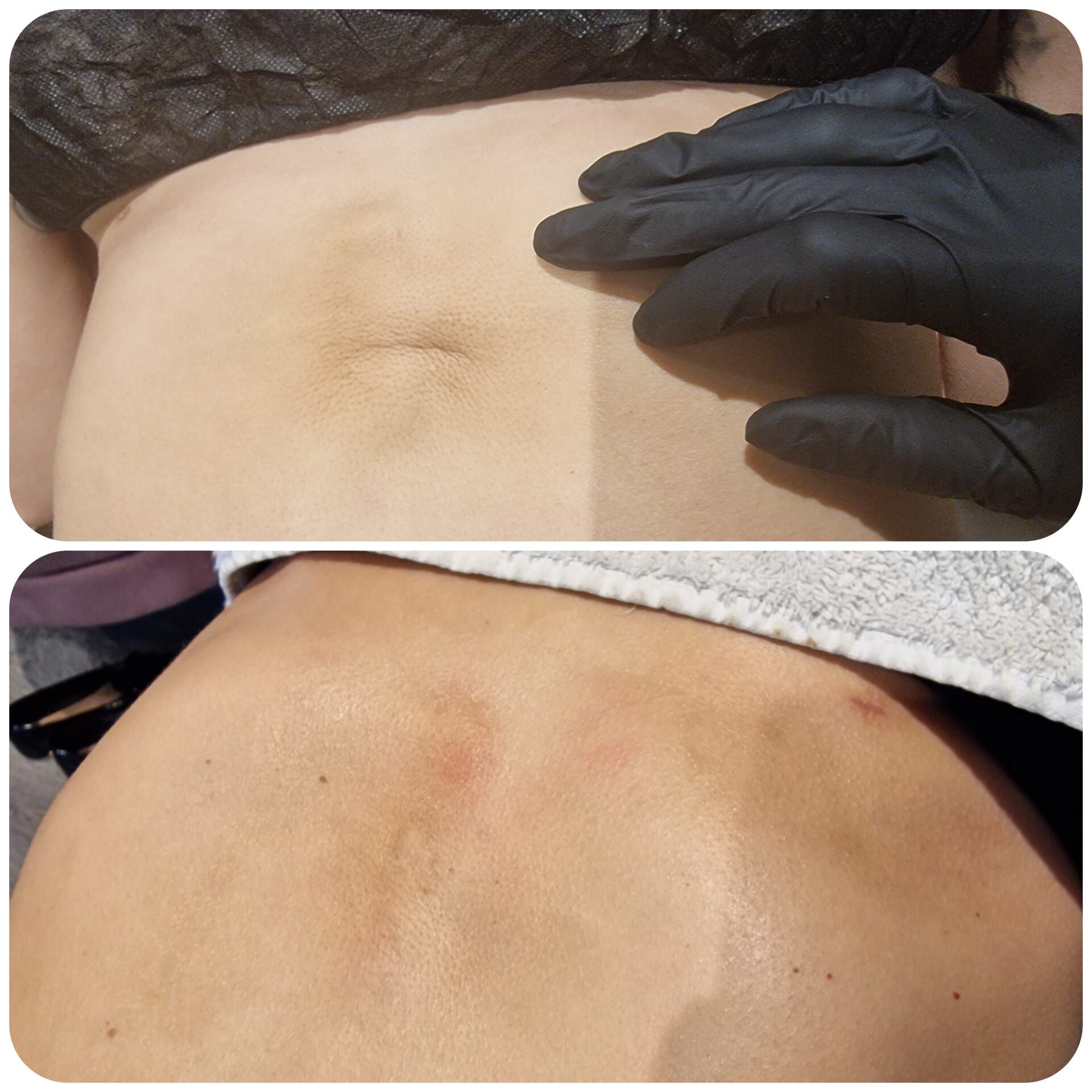
- Hard or firm lumps under the skin, especially if they persist beyond the usual swelling period.
- Skin tightness, discomfort, or reduced mobility in the treated area.
- Texture irregularities: indentations, thickened tissue, or “adhesions” where the skin feels stuck.
- Pain that doesn’t subside over time, or which worsens.
If these symptoms continue for several weeks or months, it’s worth discussing with your surgeon or a post-op therapist.
Why Does Fibrosis Sometimes Become a Problem?
Some fibrosis is natural, but certain factors make it more likely to become problematic:
- Surgical Technique: More aggressive fat removal or rough handling can damage tissue more severely, increasing the fibrotic response.
- Poor Post‑Op Care: Skipping or delaying lymphatic drainage sessions, not wearing compression garments properly, or resuming strenuous activity too soon can all contribute.
- Genetic Predisposition: Some people just scar more aggressively.
- Inflammation & Fluid Build-Up: If lymphatic fluid isn’t drained, or there is persistent swelling, the body may lay down more collagen, leading to fibrotic bands or nodules.
How Body Language Health Can Help: Treatment & Prevention Strategies
At Body Language Health, we offer osteopathy, manual lymphatic drainage (MLD), and other supportive therapies. Here’s how we approach fibrosis risk and treatment after cosmetic fat removal:
1. Manual Lymphatic Drainage (MLD)
- Early, gentle sessions help reduce swelling and encourage lymph flow, preventing fluid stagnation.
- Over time, MLD can help soften early fibrotic bands, reducing the risk of permanent hardening.
- We offer post-op MLD in our clinics in Woolwich and Wouldham.
2. Compression + Heat Therapy
- Compression garments are crucial. They support tissues, reduce swelling, and help prevent fluid accumulation, which in turn reduces fibrotic risk.
- We also use pressotherapy, which combines lymphatic massage with controlled compression to further promote fluid drainage.
3. Non-Invasive Treatments
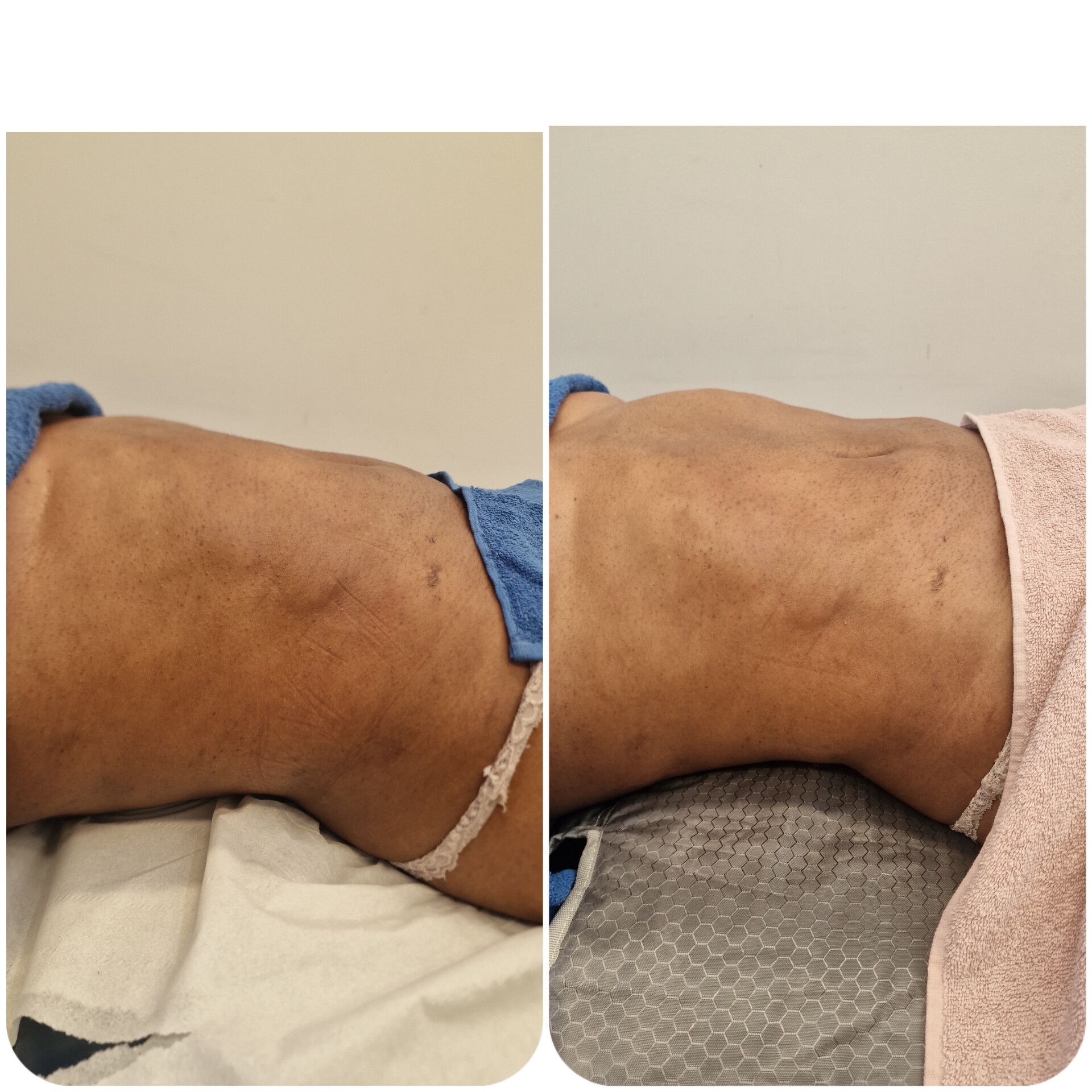
- Ultrasound (Cavitation): Our clinic offers ultrasonic cavitation. This helps break down fat but also supports lymph drainage and tissue remodelling.
- Radiofrequency (RF) Skin Tightening: We offer RF to stimulate collagen in a controlled way. Done carefully, this can improve skin texture without worsening fibrosis.
4. Lifestyle & Patient Education
- Hydration & Nutrition: Supporting your lymphatic system through fluid intake and a nutrient-rich diet helps your body heal more effectively.
- Gentle Movement & Stretching: Depending on your recovery, gentle exercise (walking, light stretching) supports circulation and lymph flow.
- Follow-Up: We emphasise regular follow-ups, so we can detect early signs of fibrosis and intervene sooner rather than later.
When More Intensive Treatment Is Needed
For more established or stubborn fibrosis, more targeted approaches can help:
- Professional Massage / Deep Tissue Work: After the early healing phase, a therapist can apply firmer, deeper massage to break down fibrotic tissue.
- Ultrasound Therapy: Using ultrasound to provide a “micro‑massage” to scar tissue — often more effective than manual massage alone.
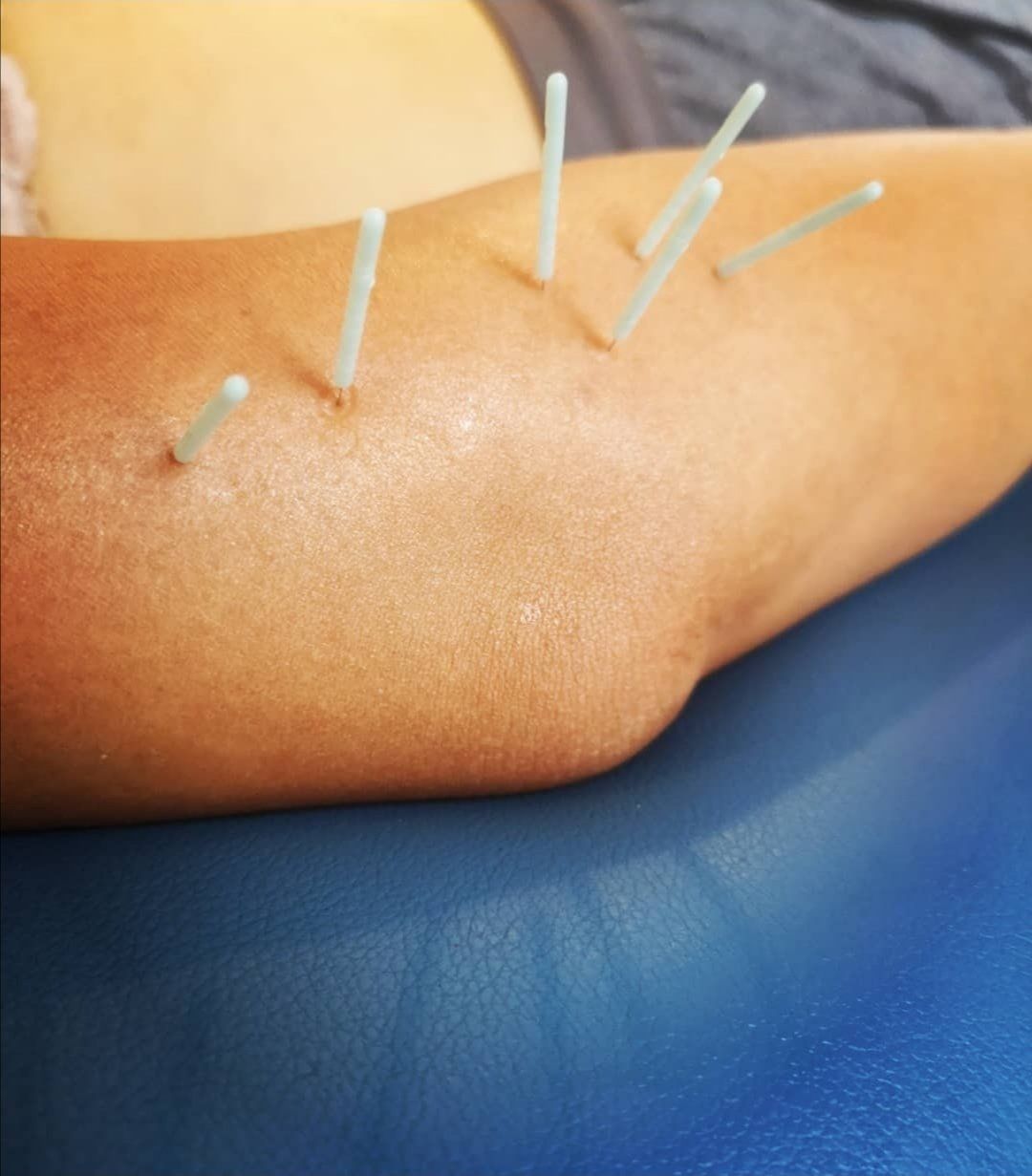
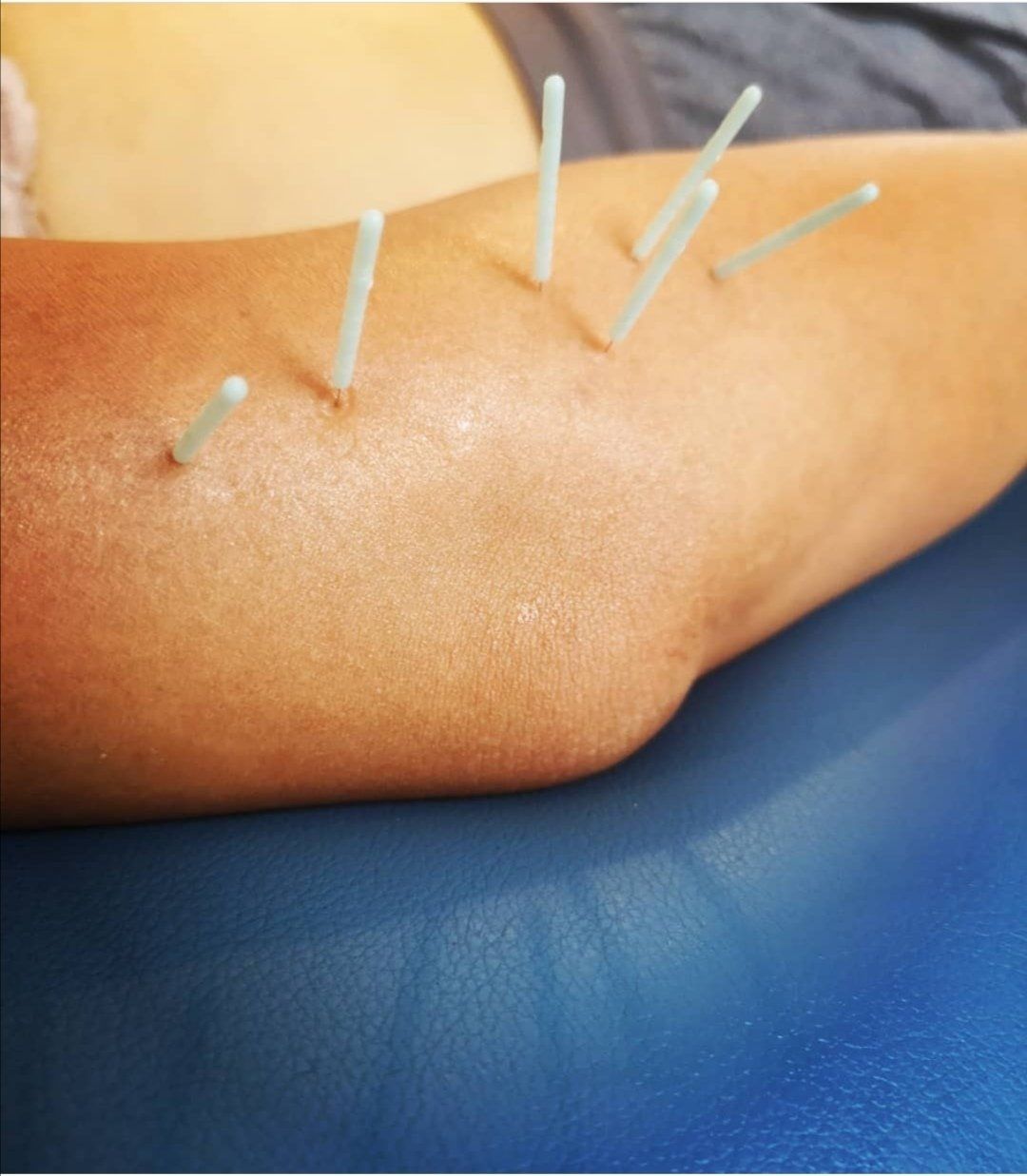
- Combined Therapies: Ultrasonic Cavitation, Acupuncture, dep tissue and or Radiofrequency may be combined for remodelling and smoothing.
Patience Is Key: Fibrosis doesn’t resolve overnight. It may take weeks or months of regular treatment to see meaningful improvement.
Post-op fibrosis is not uncommon, but with proactive care, it doesn’t have to compromise your results. At Body Language Health, we believe in a holistic, patient-centred approach: combining manual therapies, compression work, exercise advice, and non-invasive technologies to support smooth, healthy healing.
If you're preparing for cosmetic fat removal, or are already in your recovery phase and concerned about fibrosis, our team in Woolwich or Wouldham can help design a tailored post-op plan.
Book a consultation with us to discuss your post-surgery recovery – we’d love to help you make the most of your results.
If you like, I can also include before-and-after case studies, patient stories, or graphics for this post — do you want me to add those?