Understanding and Treating Post‑Op Fibrosis After Cosmetic Fat Removal
Contraindications, Cautions, and Essential Pre & Post Advice
THIS TREATMENT IS COMING SOON!
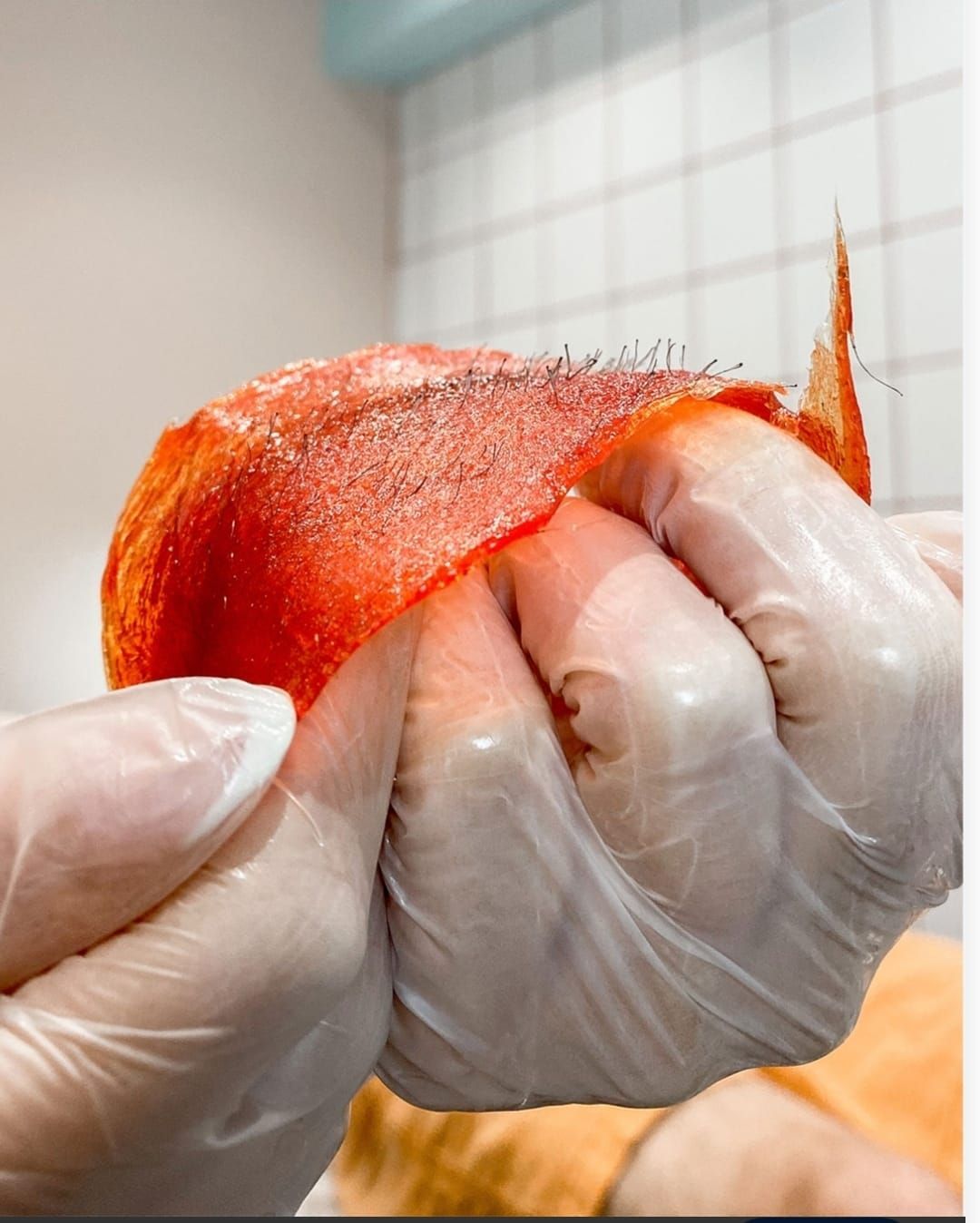
Welcome to Body Language Health! If you're considering laser hair removal in Woolwich or Rochester, you're in the right place. This state-of-the-art treatment offers a range of benefits, but it's important to understand potential contraindications and precautions. In this blog post, we'll explore everything you need to know about laser hair removal to help you make an informed decision.
What is Laser Hair Removal?
Laser hair removal is a popular cosmetic procedure that uses concentrated beams of light to penetrate the skin and target hair follicles. The heat from the laser damages the follicles, inhibiting future hair growth. Laser Hair removal aims to reduce hair growth by approximately 80-90%. This method is favoured for its speed and effectiveness, making it a convenient option for those looking to achieve smooth, hair-free skin.
Benefits of Laser Hair Removal
1. **Long-lasting Results**: One of the most significant benefits of laser hair removal is the potential for long-term hair reduction. Unlike traditional hair removal methods (like waxing or shaving), many people experience permanent hair loss after a series of treatments.
2. **Precision**: Lasers can selectively target dark, coarse hairs while leaving the surrounding skin undamaged. This precision makes it ideal for sensitive areas like the bikini line or face.
3. **Speed**: Each pulse of the laser takes just a fraction of a second and can treat multiple hairs at once. Small areas, such as the upper lip, can be treated in less than a minute, while larger areas, like the back or legs, may take several minutes.
4. **Less Ingrown Hairs**: Unlike shaving, which can lead to painful ingrown hairs, laser hair removal reduces this risk, giving you smoother skin with fewer irritations.
5. **Convenience**: With fewer visits needed over time, laser hair removal can save you the hassle of regular shaving or waxing appointments.
Contraindications to Consider
While laser hair removal is generally safe, it may not be suitable for everyone. Here are some contraindications to consider before scheduling your appointment:
- **Skin Types**: Individuals with very light blonde, gray, or white hair may not see effective results, as the laser targets pigment in the hair.
- **Pregnancy**: While not much is known about the effects of laser hair removal during pregnancy, it’s generally advised to wait until after childbirth.
- **Certain Medications**: If you're on medications that increase sensitivity to light (like some acne medications), consult with a professional before treatment.
- **Active Skin Conditions**: If you have active infections, rashes, or any other skin condition in the area to be treated, it's best to postpone the procedure.
Cautions and Considerations
Before undergoing laser hair removal, keep the following cautions in mind:
- **Choose a Qualified Practitioner**: Ensure that your treatment is performed by a licensed and experienced professional to minimize risks of adverse effects.
- **Avoid Sun Exposure**: Tanning, both natural and artificial, can increase the risk of complications. Avoid sun exposure before treatment, and use sunscreen diligently.
- **Consultation is Key**: Schedule a consultation to discuss your medical history, skin type, and hair removal goals to determine if you're a good candidate for the treatment.
Pre-treatment Advice
To ensure the best results and minimize risks, follow this pre-treatment advice:
- **Avoid Blood Thinners**: Refrain from taking aspirin, ibuprofen, or other blood-thinning medications for at least 24 hours before your session.
- **Shave the Area**: Shaving the treatment area 24 hours prior to your appointment helps ensure the laser treatments are effective and reduces the risk of discomfort.
- **Limit Waxing and Plucking**: Avoid waxing, plucking, or electrolysis for at least four weeks before treatment, as these methods can disturb the hair follicles that the laser targets.
Post-treatment Care
After your laser hair removal session, proper aftercare is crucial for optimal healing and results:
- **Avoid Sun Exposure**: Stay out of the sun for at least a week, as your skin will be more sensitive post-treatment.
- **Moisturize**: Use a gentle, fragrance-free moisturizer to keep your skin hydrated and help alleviate any redness or irritation.
- **Avoid Heat**: Refrain from hot baths, saunas, and intense exercise for 24 to 48 hours after treatment to minimize irritation.
- **Follow Up**: Schedule any necessary follow-up treatments as recommended by your practitioner to achieve the best results.
Laser hair removal is a highly effective solution for those looking for long-lasting hair reduction, and at Body Language Health, we are committed to providing safe, professional treatments. If you’re in Woolwich or Rochester and ready to say goodbye to unwanted hair, contact us today to schedule your consultation. Embrace smooth skin and experience the confidence that comes with it!
---
We will be sure to send out more information when this service is offered.
Share with your world
Understanding and Treating Post‑Op Fibrosis After Cosmetic Fat Removal
What Is Post‑Op Fibrosis — and Why Does It Happen?
When you undergo cosmetic fat removal — for example, liposuction — it’s not just fat that’s removed. The procedure inevitably causes trauma to the tissues: fat cells are disrupted, small blood vessels may be damaged, and lymphatic drainage is temporarily impaired. This triggers inflammation during healing, which in some cases can lead to fibrosis, or the formation of fibrous (scar) tissue.
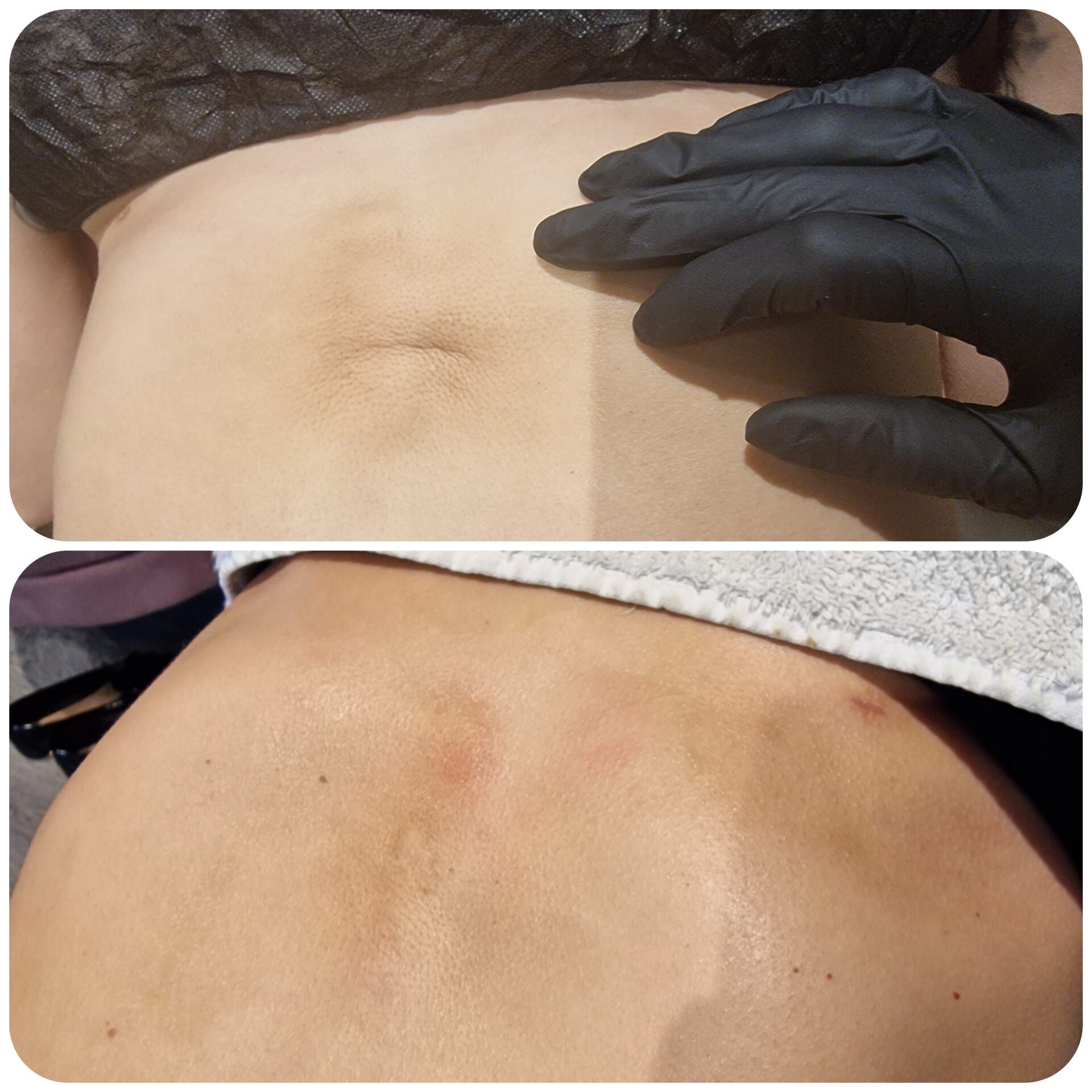
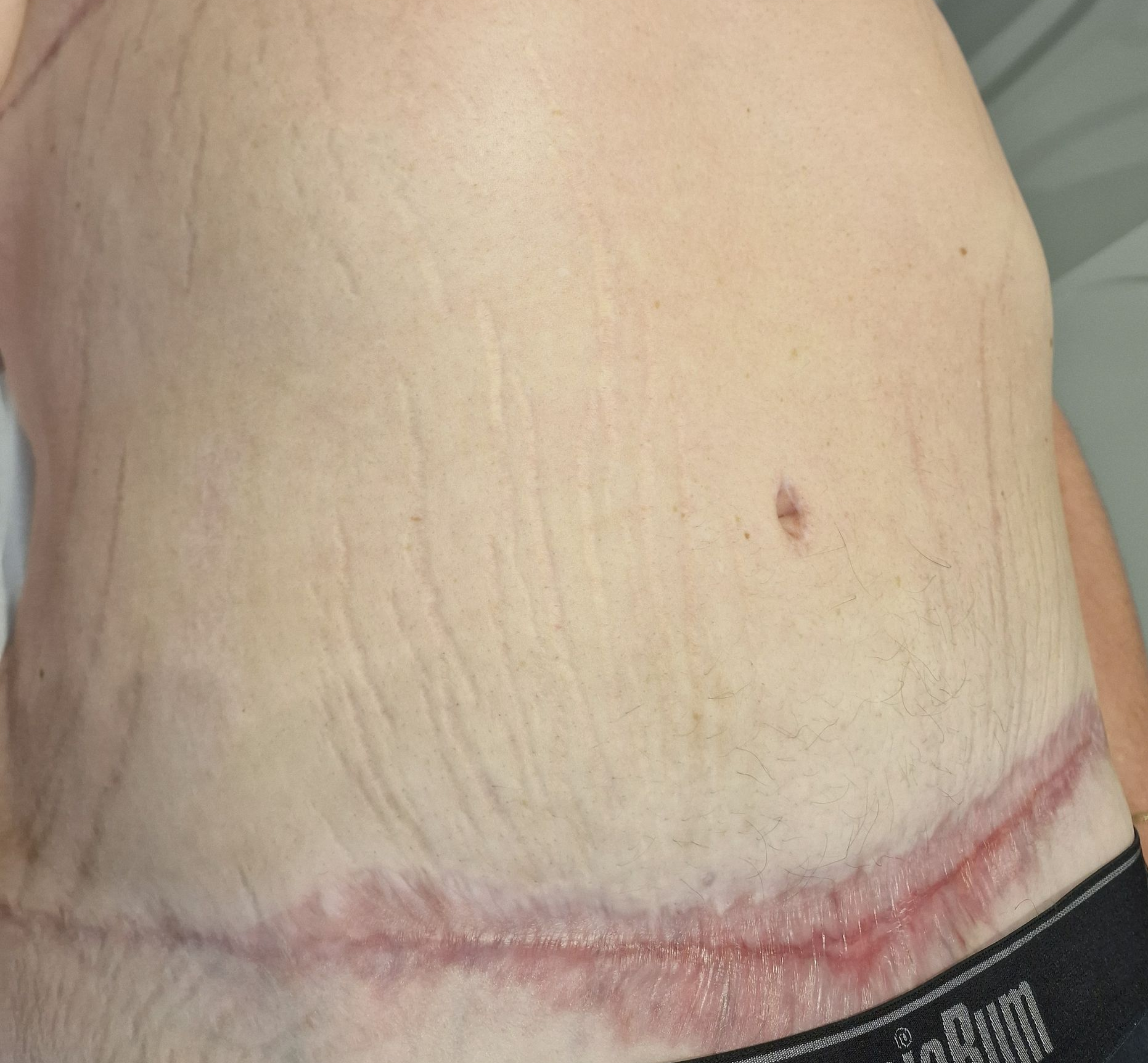
Fibrosis is essentially your body’s way of healing — but if it overcompensates, you can end up with hard lumps, uneven or tethered skin, and even areas of tightness or discomfort.
Left unchecked, inflammation can transform into long-term fibrosis — which is why early and effective post-op care is so key. Without proper lymphatic drainage and massage, the risk of permanent hardening is higher.
Signs to Watch For: How to Recognise Fibrosis Early
It’s important to detect fibrosis before it becomes more established. Here are some red flags:
- Hard or firm lumps under the skin, especially if they persist beyond the usual swelling period.
- Skin tightness, discomfort, or reduced mobility in the treated area.
- Texture irregularities: indentations, thickened tissue, or “adhesions” where the skin feels stuck.
- Pain that doesn’t subside over time, or which worsens.
If these symptoms continue for several weeks or months, it’s worth discussing with your surgeon or a post-op therapist.
Why Does Fibrosis Sometimes Become a Problem?
Some fibrosis is natural, but certain factors make it more likely to become problematic:
- Surgical Technique: More aggressive fat removal or rough handling can damage tissue more severely, increasing the fibrotic response.
- Poor Post‑Op Care: Skipping or delaying lymphatic drainage sessions, not wearing compression garments properly, or resuming strenuous activity too soon can all contribute.
- Genetic Predisposition: Some people just scar more aggressively.
- Inflammation & Fluid Build-Up: If lymphatic fluid isn’t drained, or there is persistent swelling, the body may lay down more collagen, leading to fibrotic bands or nodules.
How Body Language Health Can Help: Treatment & Prevention Strategies
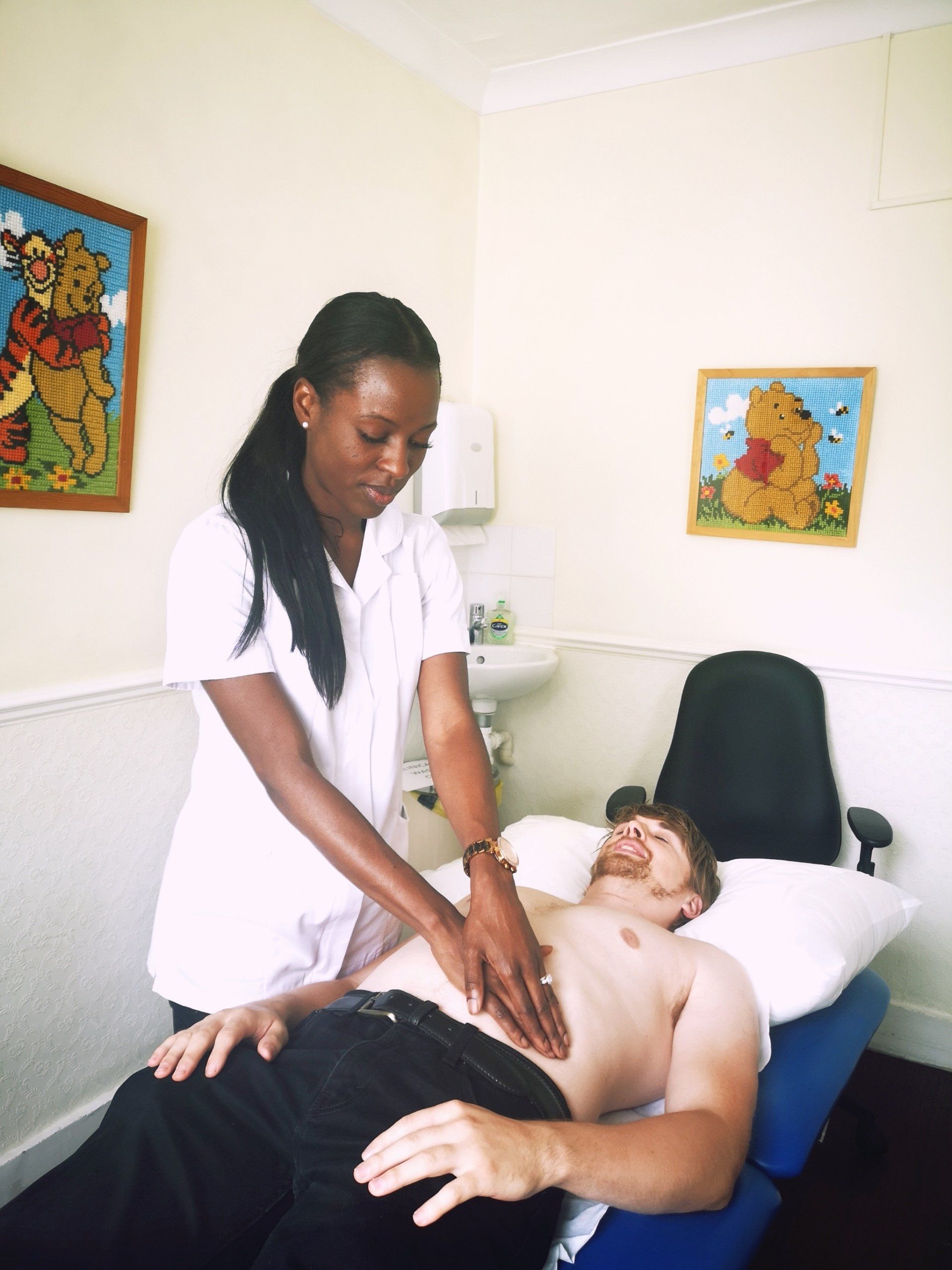
At Body Language Health, we offer osteopathy, manual lymphatic drainage (MLD), and other supportive therapies. Here’s how we approach fibrosis risk and treatment after cosmetic fat removal:
1. Manual Lymphatic Drainage (MLD)
- Early, gentle sessions help reduce swelling and encourage lymph flow, preventing fluid stagnation.
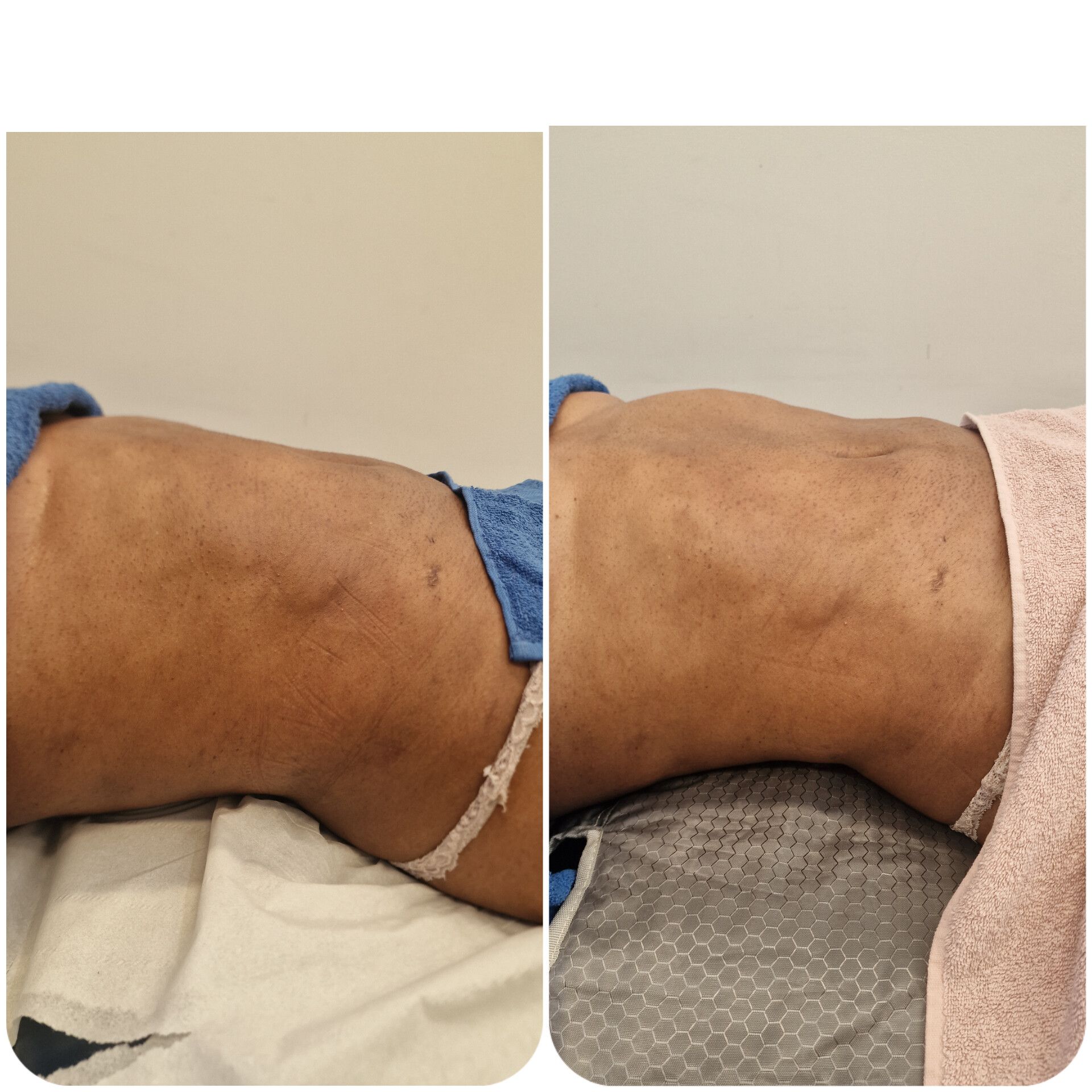
- Over time, MLD can help soften early fibrotic bands, reducing the risk of permanent hardening.
- We offer post-op MLD in our clinics in Woolwich and Wouldham.
2. Compression + Heat Therapy
- Compression garments are crucial. They support tissues, reduce swelling, and help prevent fluid accumulation, which in turn reduces fibrotic risk.
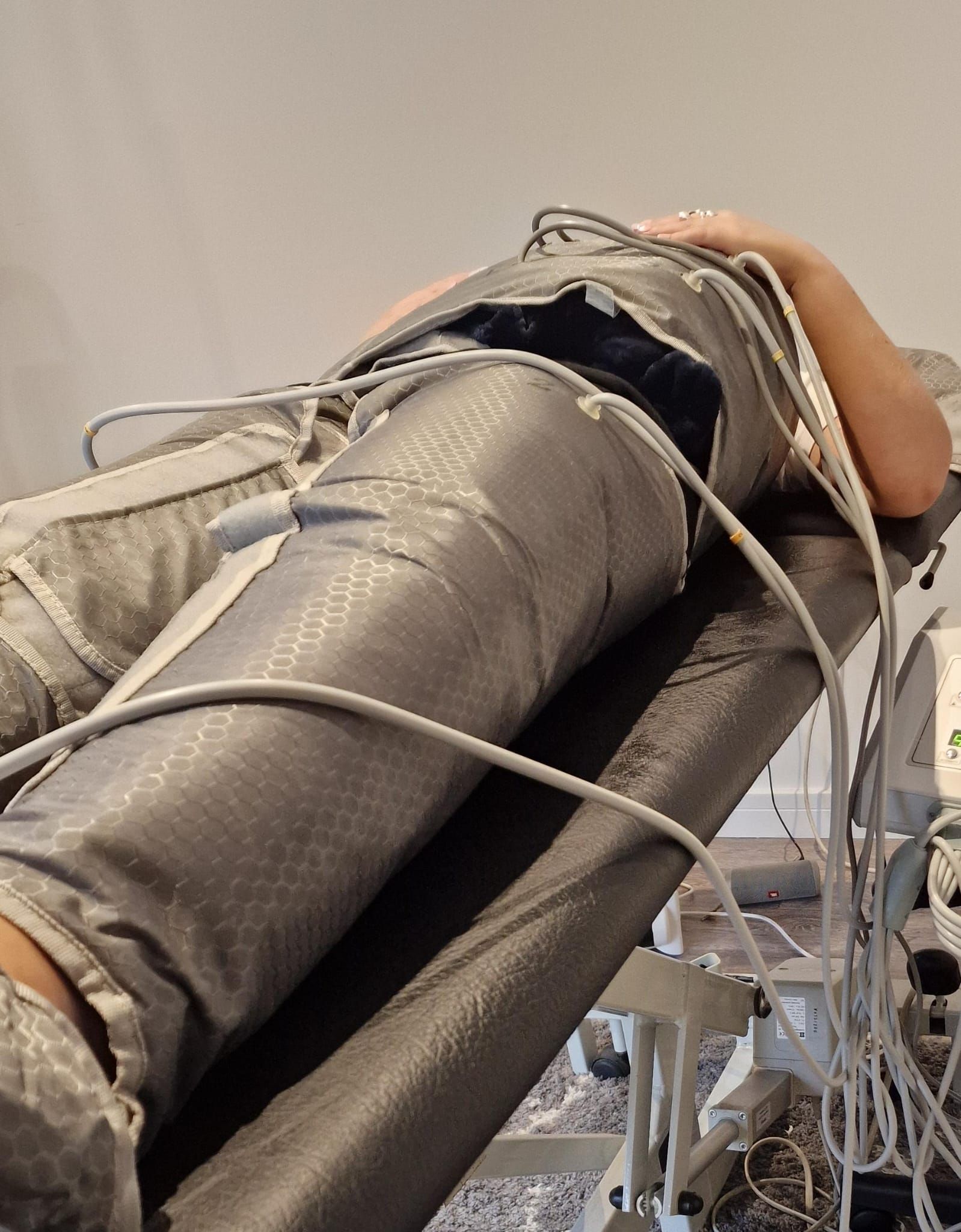
- We also use pressotherapy, which combines lymphatic massage with controlled compression to further promote fluid drainage.
3. Non-Invasive Treatments
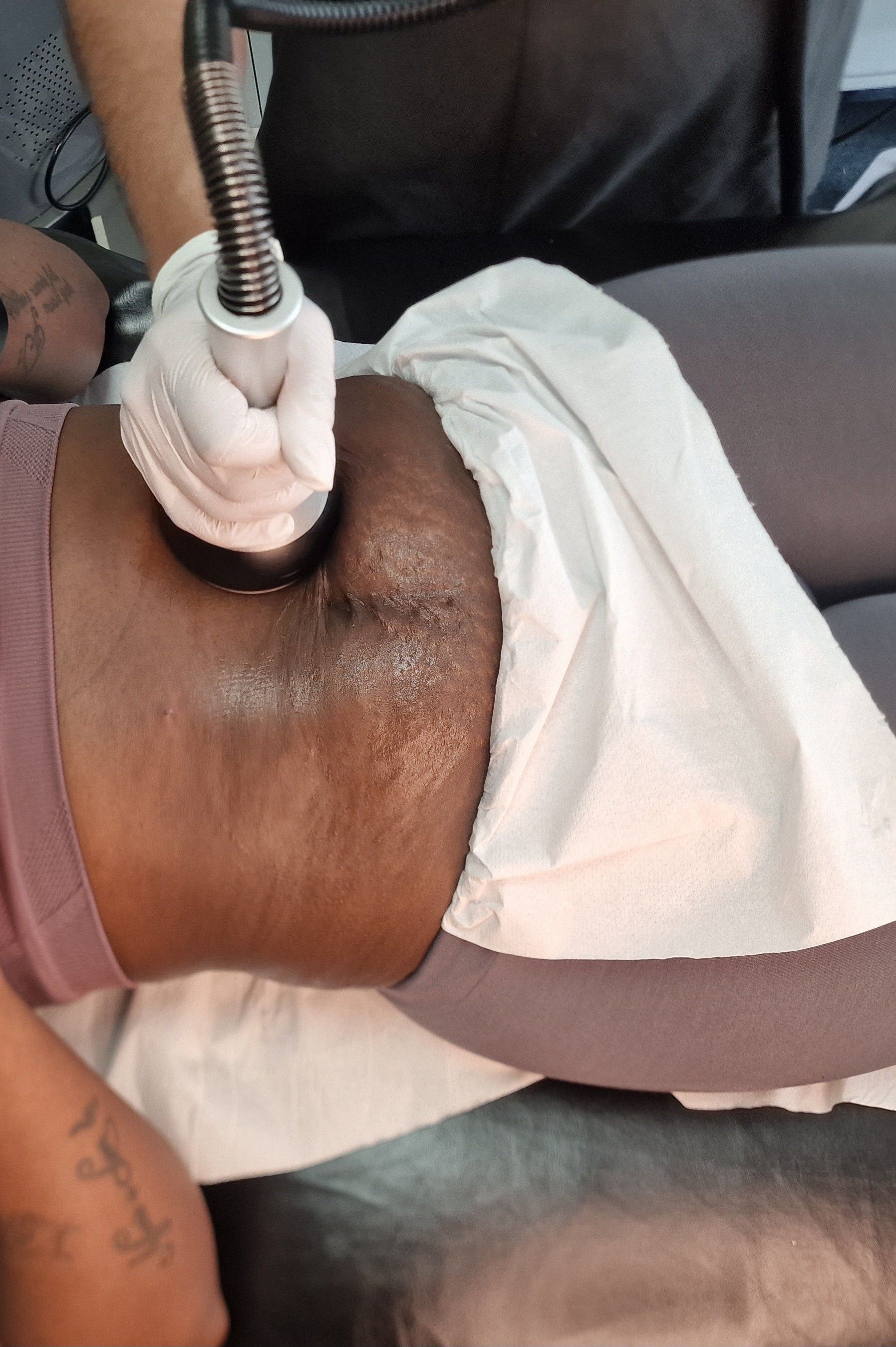
- Ultrasound (Cavitation): Our clinic offers ultrasonic cavitation. This helps break down fat but also supports lymph drainage and tissue remodelling. (suitability differs)
- Radiofrequency (RF) Skin Tightening: We offer RF to stimulate collagen in a controlled way. Done carefully, this can improve skin texture without worsening fibrosis.
4. Lifestyle & Patient Education
- Hydration & Nutrition: Supporting your lymphatic system through fluid intake and a nutrient-rich diet helps your body heal more effectively.
- Gentle Movement & Stretching: Depending on your recovery, gentle exercise (walking, light stretching) supports circulation and lymph flow.
- Follow-Up: We emphasise regular follow-ups, so we can detect early signs of fibrosis and intervene sooner rather than later.
When More Intensive Treatment Is Needed
For more established or stubborn fibrosis, more targeted approaches can help:
- Professional Massage / Deep Tissue Work: After the early healing phase, a therapist can apply firmer, deeper slow friction/stretch to break down fibrotic tissue.
- Ultrasound Therapy: Using ultrasound to provide a “micro‑massage” to scar tissue — often more effective than manual massage alone.
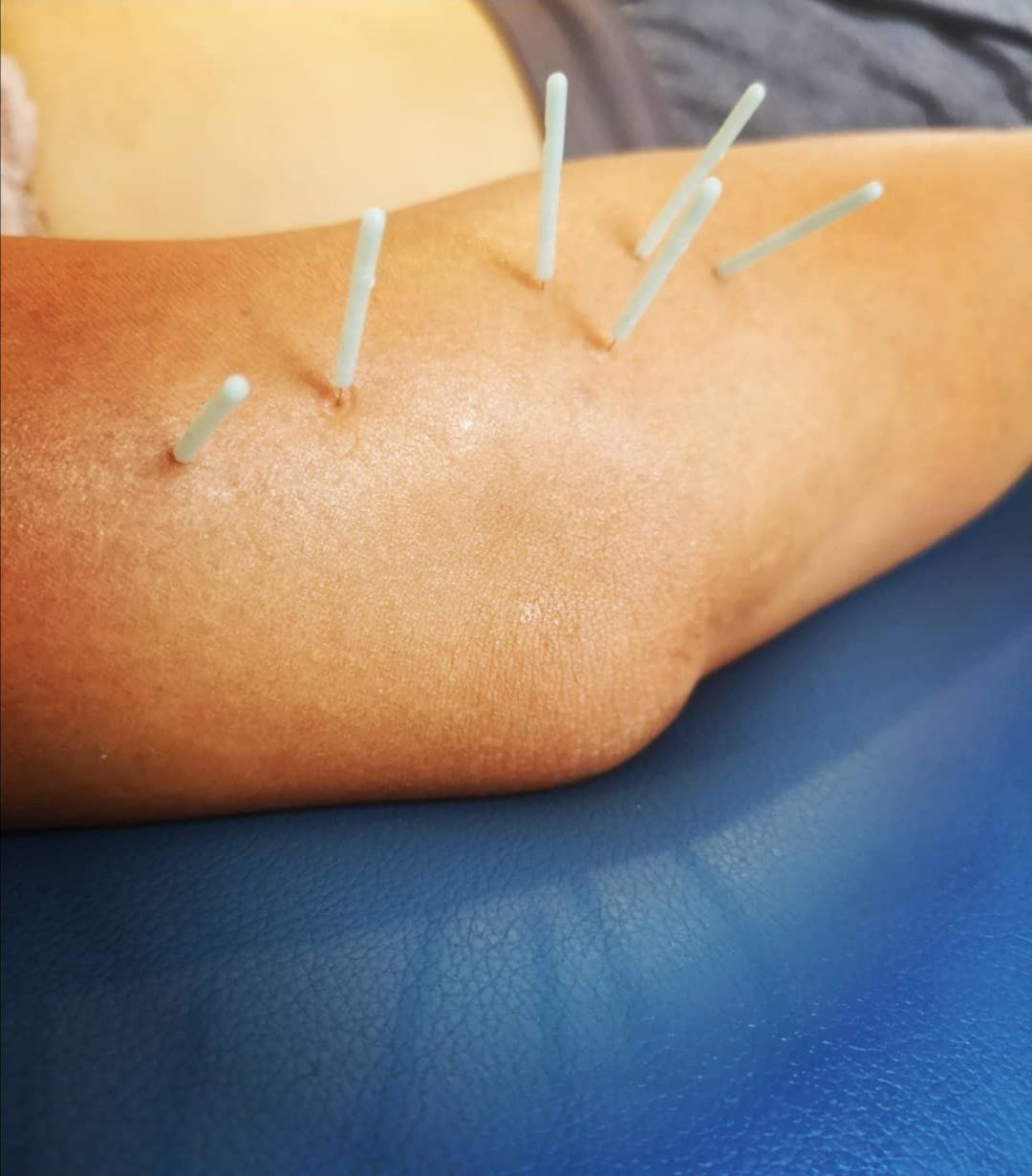
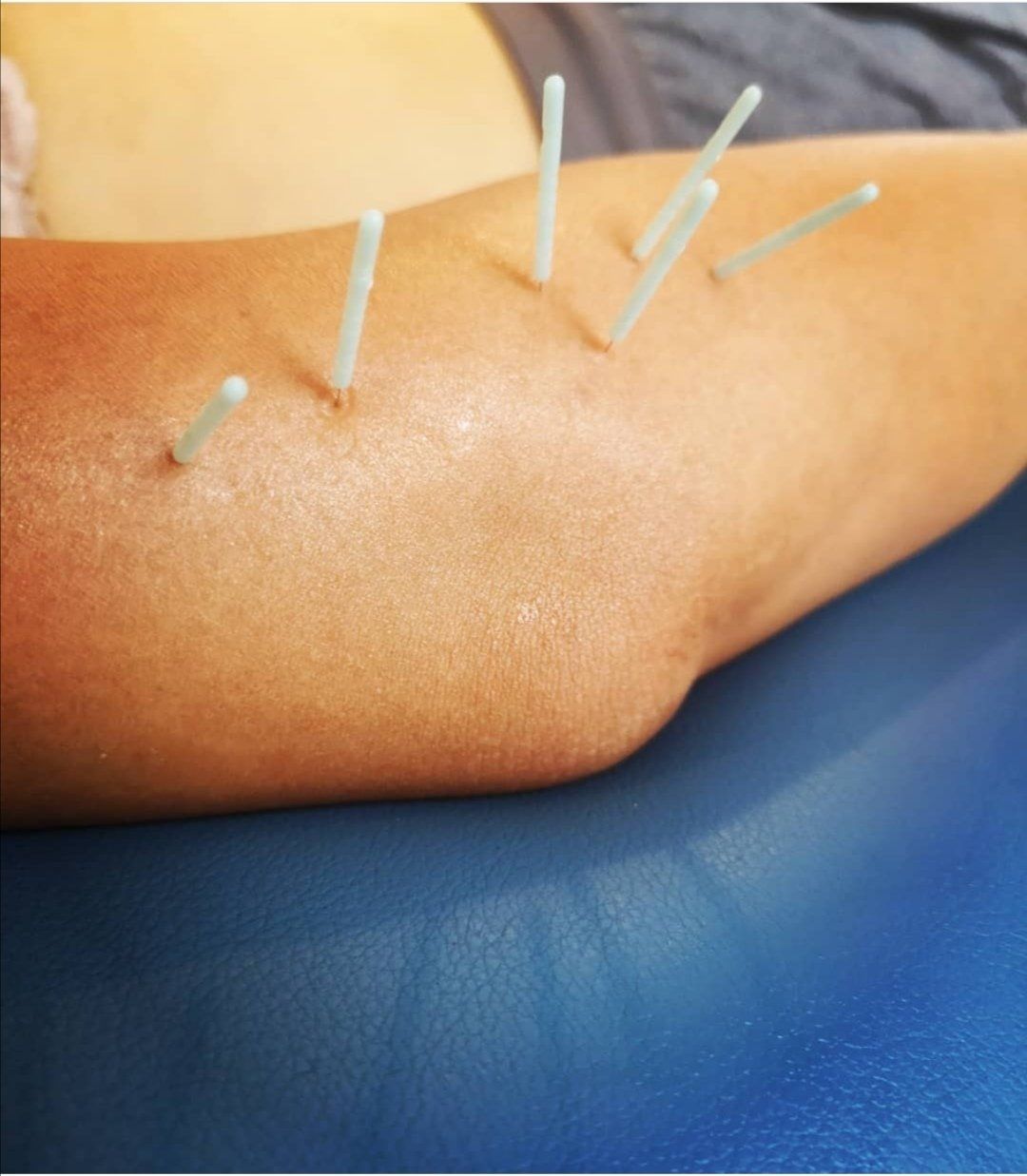
- Combined Therapies: Radiofrequency, Acupuncture, cupping- may be combined for remodelling and smoothing.
Patience Is Key: Fibrosis doesn’t resolve overnight. It may take weeks or months of regular treatment to see meaningful improvement.
Post-op fibrosis is not uncommon, but with proactive care, it doesn’t have to compromise your results. At Body Language Health, we believe in a holistic, patient-centred approach: combining manual therapies, compression work, exercise advice, and non-invasive technologies to support smooth, healthy healing.
If you're preparing for cosmetic fat removal, or are already in your recovery phase and concerned about fibrosis, our team in Woolwich or Wouldham can help design a tailored post-op plan.
Book a consultation with us to discuss your post-surgery recovery – we’d love to help you make the most of your results.
If you like, I can also include before-and-after case studies, patient stories, or graphics for this post — do you want me to add those?