Understanding and Treating Post‑Op Fibrosis After Cosmetic Fat Removal
Pre-Surgery preparations: Set yourself up for success
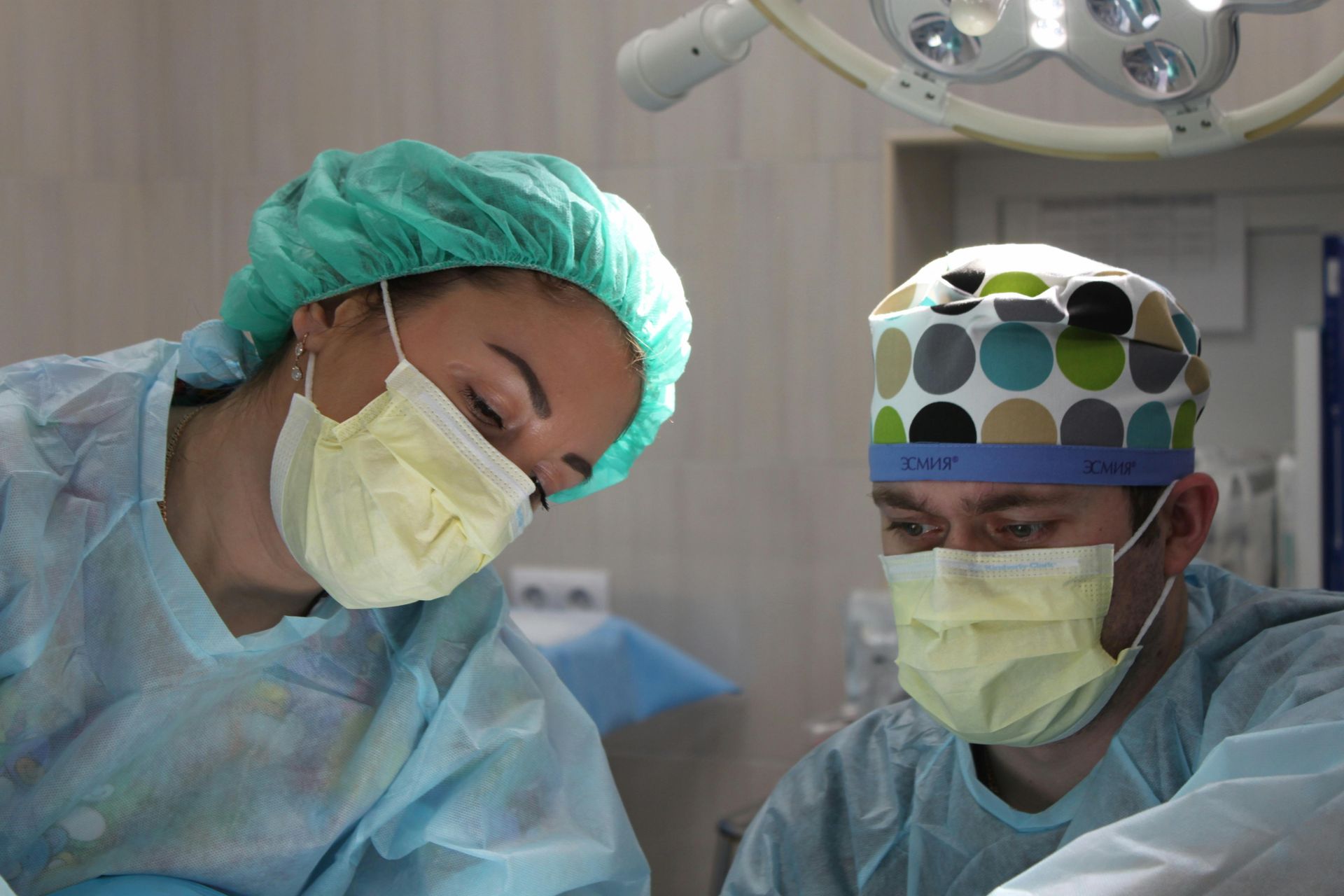
Liposuction can be a transformative procedure, helping to sculpt your body and enhance your confidence. However, to ensure a smooth experience and optimal recovery, it’s essential to prepare and follow specific guidelines both before and after your surgery. Here are some valuable tips to help you navigate this journey more comfortably.
Pre-Surgery preparations: Set yourself up for success
1. *Choose to wear Old Clothes on Surgery Day: The day of your procedure can be emotional and a bit chaotic. Wear clothes you don’t mind getting stained or damaged. Loose-fitting comfortable garments are best to accommodate post-surgery swelling during your journey.
2. *Bring a Change of Clothes for the Journey Home: You'll likely be in a compression garment post-surgery, but a change of clothes will be a hassle free journey if needed especially if you choose public transport to return home.
3. *Purchase Adult Diapers and Extra Dressings: It may seem unconventional, but adult diapers can be a lifesaver post-surgery. They offer comfort and protection, especially if you experience any drainage. Additionally, having extra dressings & extra diaper on hand will ensure you can maintain hygiene and comfort during your recovery especially in the first few days as you heal. Ensure To protect your bed and furniture from post-op drainage, the best options are disposable bed pads (chucks) or puppy pads. Place these directly under your body, and pair them with a waterproof mattress protector to prevent any leaks from ruining your mattress.
4. *Select practical footwear: After liposuction, your feet may be swollen, making your favourite shoes uncomfortable. Opt for comfortable, roomy footwear to accommodate any swelling and keep you comfortable. If you do leak, they could ruin your favourite shoes!
5. *Anticipate Discomfort: It’s essential to understand that post-surgery discomfort is normal. Each person’s recovery speed varies—be patient and allow your body time to heal. Over the first few days, you are very likely to SEE bruising and FEEL bruised.
6. *Pre-book Your Lymphatic Drainage Sessions: Lymphatic drainage can significantly enhance your healing process. It is incredibly effective for reducing swelling and promoting healing. Booking these sessions ahead of time to reduce the occurrence of post surgery complications such as seroma and fibrosis.
Pre-booking these sessions allows you to ensure timely treatments to encourage circulation, reduce swelling and accelerate healing. Make it a part of your recovery plan.
Post-Surgery Tips
1. *Regular Massage Sessions: After your liposuction, scheduling regular massage sessions can be highly beneficial. Massage helps promote circulation, reduce swelling, and enhance overall healing. Consider integrating it into your post-operative care routine. Most surgeons are now advising patients to have their sessions the day after the surgery, however this is a more tender phase of your journey and can be quite uncomfortable no matter how little the pressure the therapist applies. We do still encourage to get a session in the day after.
2. *Be Prepared to Purchase a Smaller Faja: As your body heals, you may notice that over the next week or two, your compression garment or 'faja' may need to be replaced as you move towards a smaller size. Make sure to budget for this change as your body begins to shrink.
3. *Consider Using an Abdominal Board: Many patients find using an abdominal board beneficial post-surgery. This device can provide additional support, help flatten your stomach, and ensure that you maintain the desired contour during recovery. This may not be suitable for everyone.
4. *Worried about complications?:
Have an open conversation with your surgeon Pre & Post procedure. By being well-informed and following preventative measures, patients can reduce the risks associated and ensure a smoother recovery process. Some complications can still occur but education on what to look out for is very beneficial.
Be vigilant about any signs of complications such as increased swelling, redness/purplish, change in skin texture, fever or unusual pain.
5. *Do not skip your post-op treatments*: Daily sessions in the first week can benefit greatly, this helps your therapist monitor you better. This can reduce to 3-4x a week the following week. This is not the same for everyone and can differ depending on your body type, fat density, and skin elasticity dictate how many sessions you need, the pressure used, and whether you require additional sculpting techniques (like gentle fascial release) later in your recovery.
6. *Diet and water intake*: Liposuction helps propel your weight loss journey however your post surgery diet should consists of:- Lean protein, fresh fruits, vegetables, whole grains, pro-biotics such as Greek yoghurt, especially when on antibiotics and of course, adequate water intake.
- Foods that should be avoided- Oily foods, high sodium, sugar, processed foods and alcohol.
We’re Here to Help!
At Body Language Health, we understand that undergoing liposuction can be a life-changing decision. Our experienced team is here to support you through every step of your journey, ensuring you receive the care you need for a smooth recovery. We offer flexible scheduling, including evenings and weekends, to accommodate your busy lifestyle.
Are you ready to transform your body? **Book your appointment with us today!** We’re dedicated to helping you achieve the results you desire while providing a comfortable and supportive environment.
Share with your world
Understanding and Treating Post‑Op Fibrosis After Cosmetic Fat Removal
What Is Post‑Op Fibrosis — and Why Does It Happen?
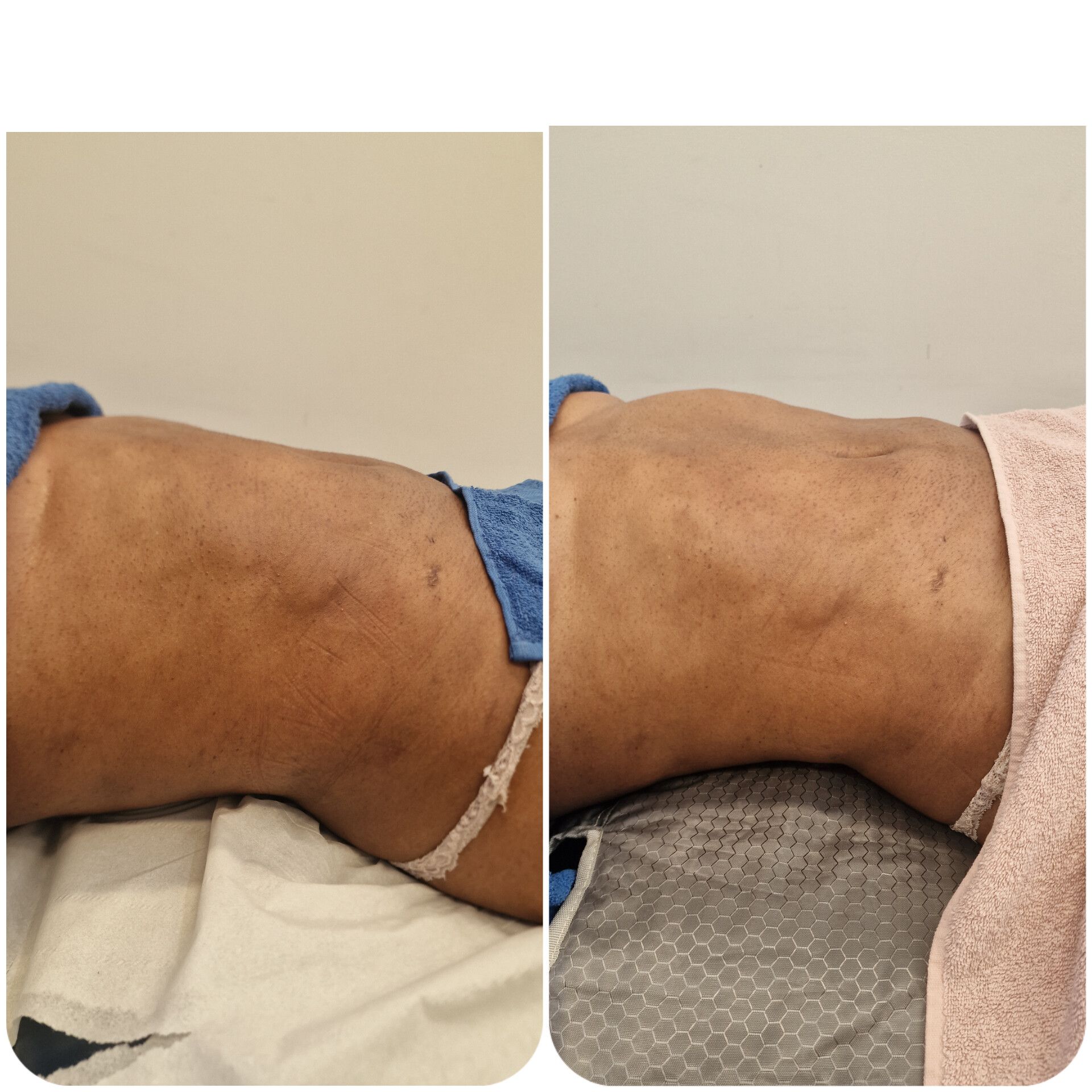
When you undergo cosmetic fat removal — for example, liposuction — it’s not just fat that’s removed. The procedure inevitably causes trauma to the tissues: fat cells are disrupted, small blood vessels may be damaged, and lymphatic drainage is temporarily impaired. This triggers inflammation during healing, which in some cases can lead to fibrosis, or the formation of fibrous (scar) tissue.
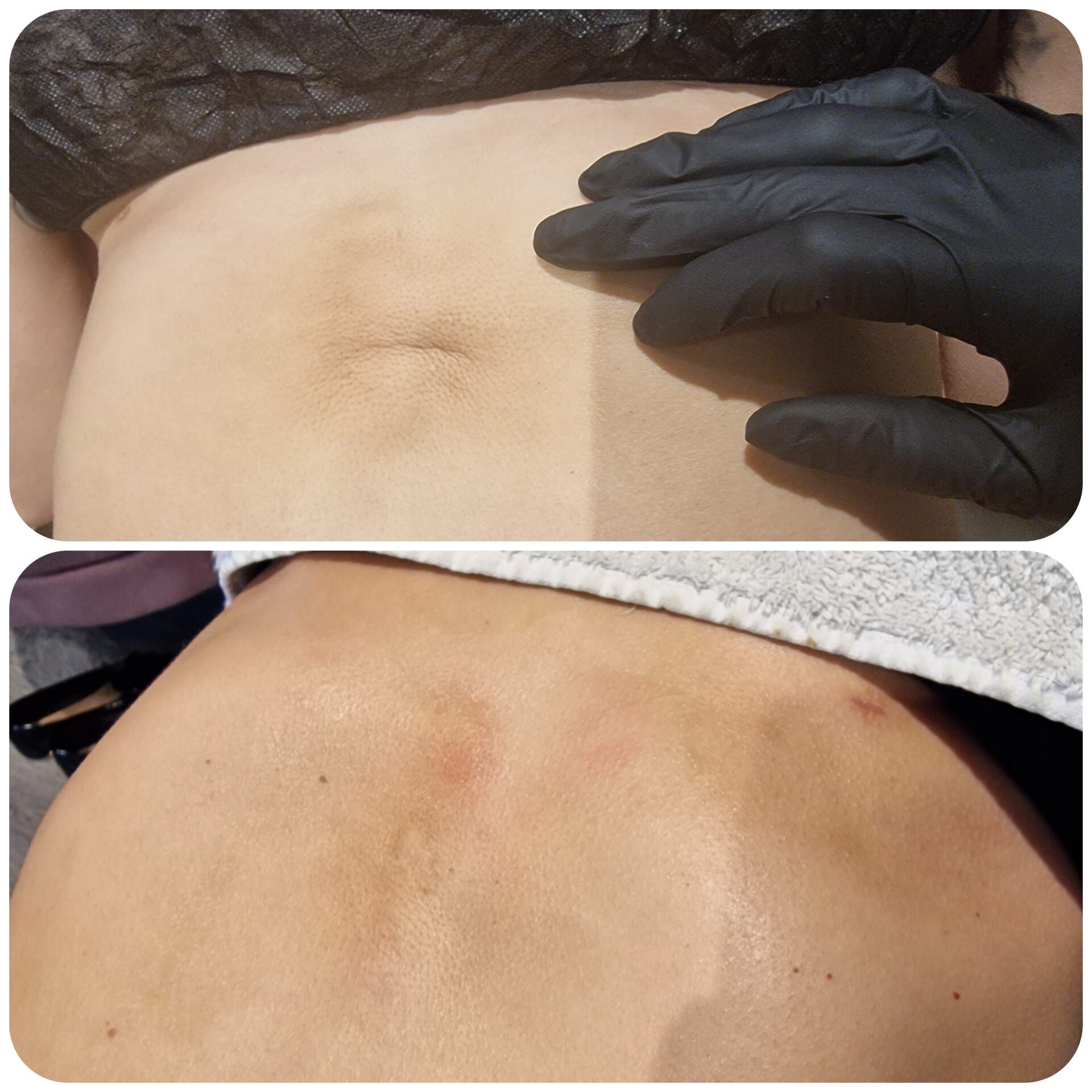
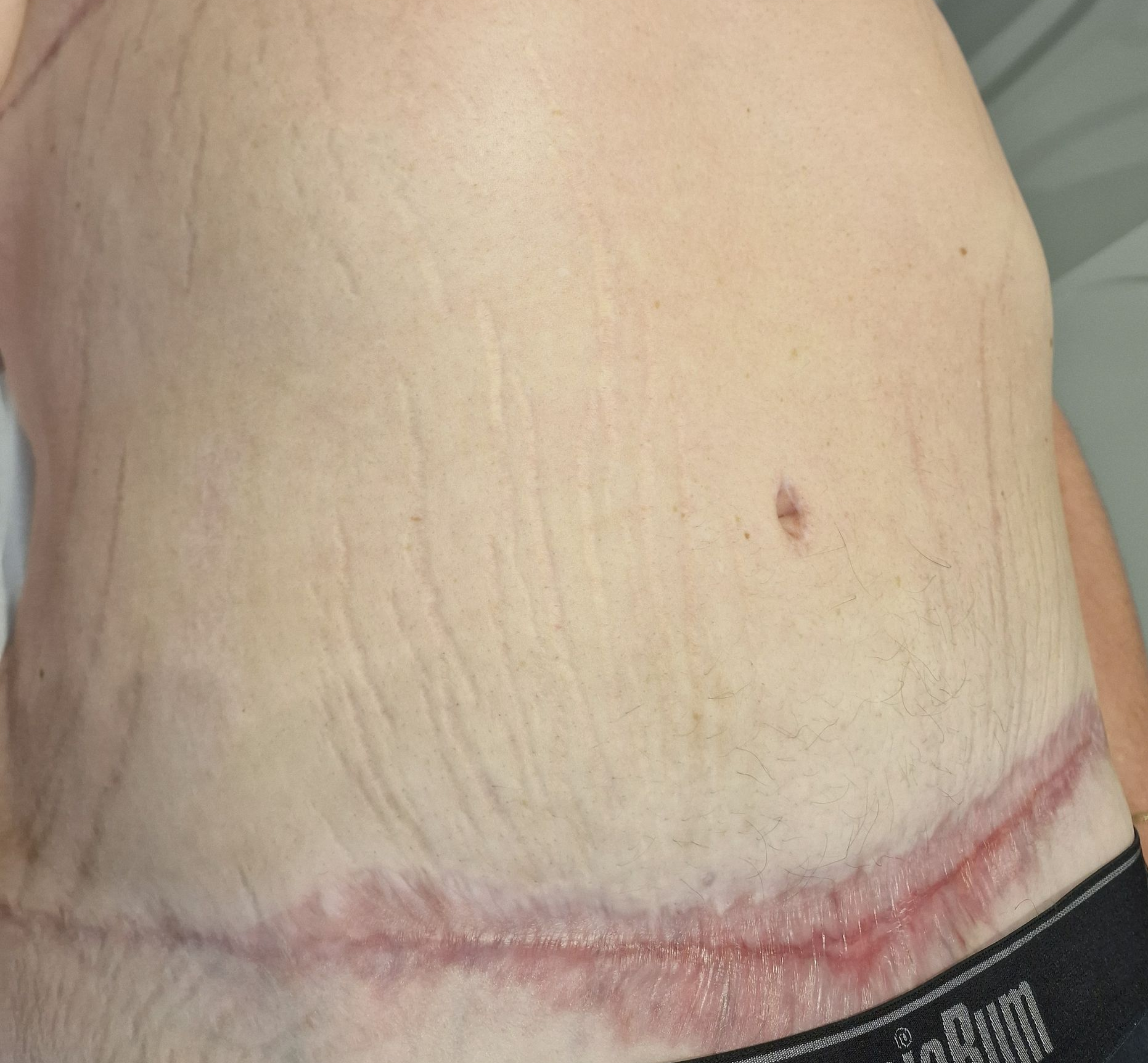
Fibrosis is essentially your body’s way of healing — but if it overcompensates, you can end up with hard lumps, uneven or tethered skin, and even areas of tightness or discomfort.
Left unchecked, inflammation can transform into long-term fibrosis — which is why early and effective post-op care is so key. Without proper lymphatic drainage and massage, the risk of permanent hardening is higher.
Signs to Watch For: How to Recognise Fibrosis Early
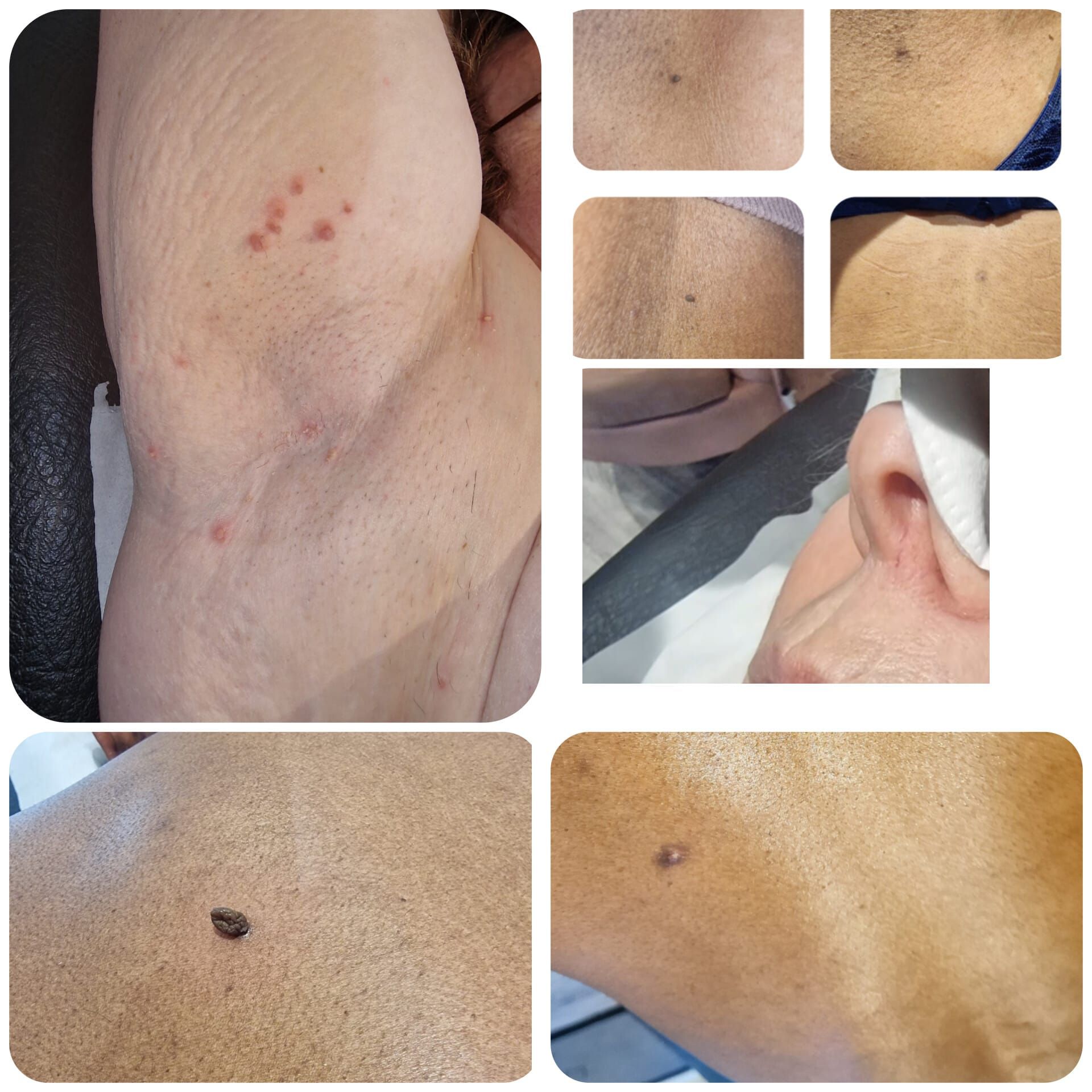
It’s important to detect fibrosis before it becomes more established. Here are some red flags:
- Hard or firm lumps under the skin, especially if they persist beyond the usual swelling period.
- Skin tightness, discomfort, or reduced mobility in the treated area.
- Texture irregularities: indentations, thickened tissue, or “adhesions” where the skin feels stuck.
- Pain that doesn’t subside over time, or which worsens.
If these symptoms continue for several weeks or months, it’s worth discussing with your surgeon or a post-op therapist.
Why Does Fibrosis Sometimes Become a Problem?
Some fibrosis is natural, but certain factors make it more likely to become problematic:
- Surgical Technique: More aggressive fat removal or rough handling can damage tissue more severely, increasing the fibrotic response.
- Poor Post‑Op Care: Skipping or delaying lymphatic drainage sessions, not wearing compression garments properly, or resuming strenuous activity too soon can all contribute.
- Genetic Predisposition: Some people just scar more aggressively.
- Inflammation & Fluid Build-Up: If lymphatic fluid isn’t drained, or there is persistent swelling, the body may lay down more collagen, leading to fibrotic bands or nodules.
How Body Language Health Can Help: Treatment & Prevention Strategies
At Body Language Health, we offer osteopathy, manual lymphatic drainage (MLD), and other supportive therapies. Here’s how we approach fibrosis risk and treatment after cosmetic fat removal:
1. Manual Lymphatic Drainage (MLD)
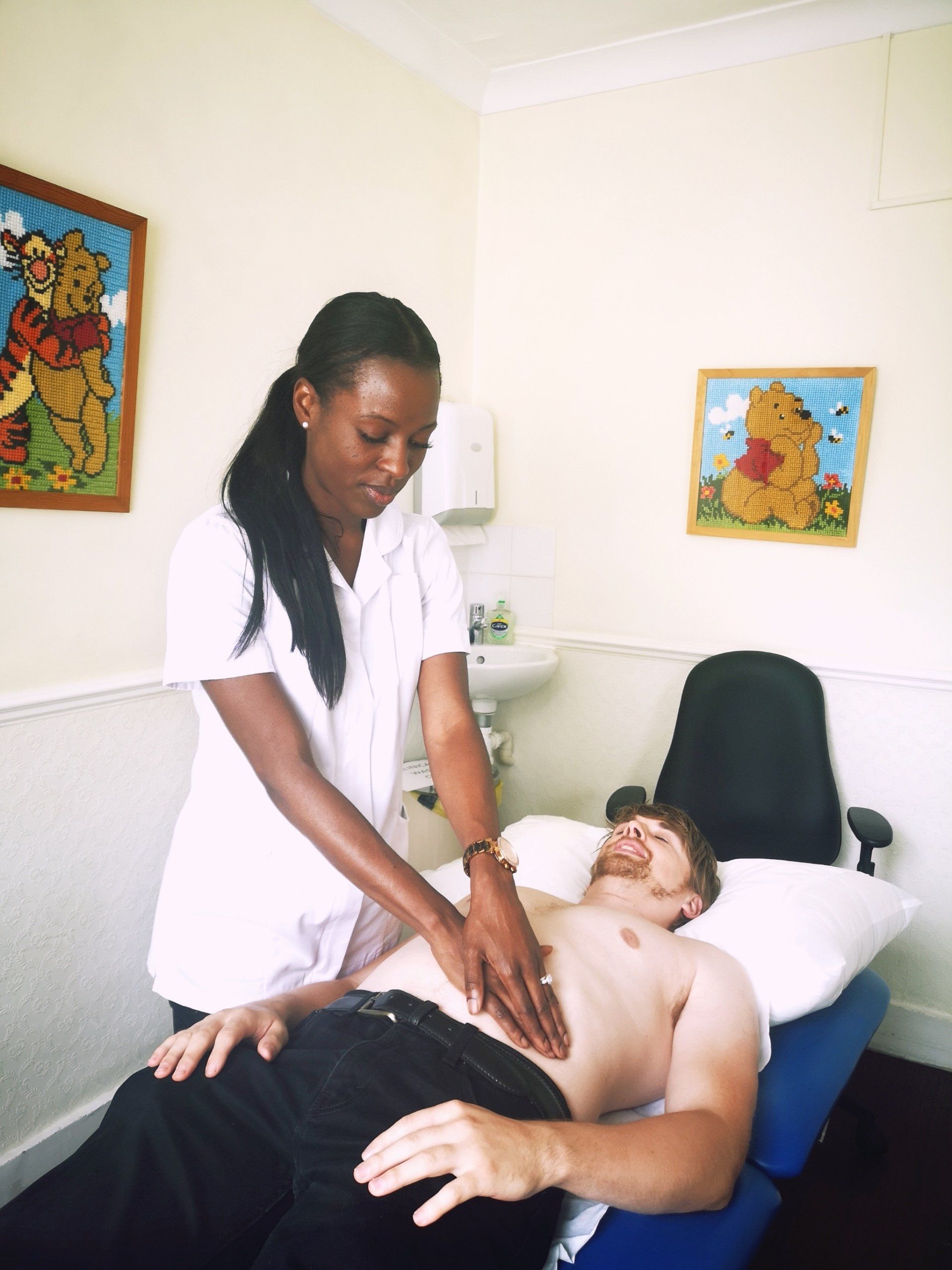
- Early, gentle sessions help reduce swelling and encourage lymph flow, preventing fluid stagnation.
- Over time, MLD can help soften early fibrotic bands, reducing the risk of permanent hardening.
- We offer post-op MLD in our clinics in Woolwich and Wouldham.
2. Compression + Heat Therapy
- Compression garments are crucial. They support tissues, reduce swelling, and help prevent fluid accumulation, which in turn reduces fibrotic risk.
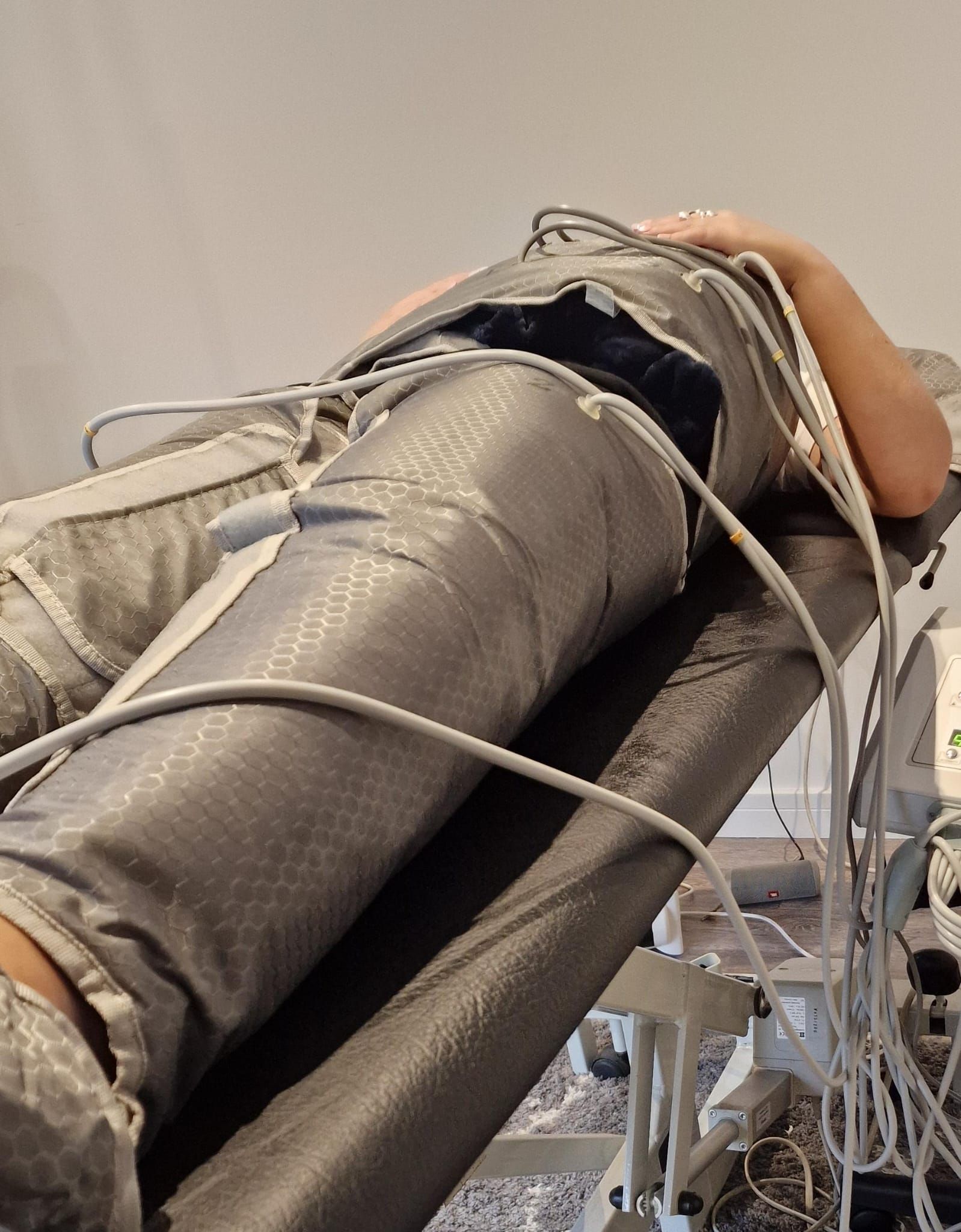
- We also use pressotherapy, which combines lymphatic massage with controlled compression to further promote fluid drainage.
3. Non-Invasive Treatments
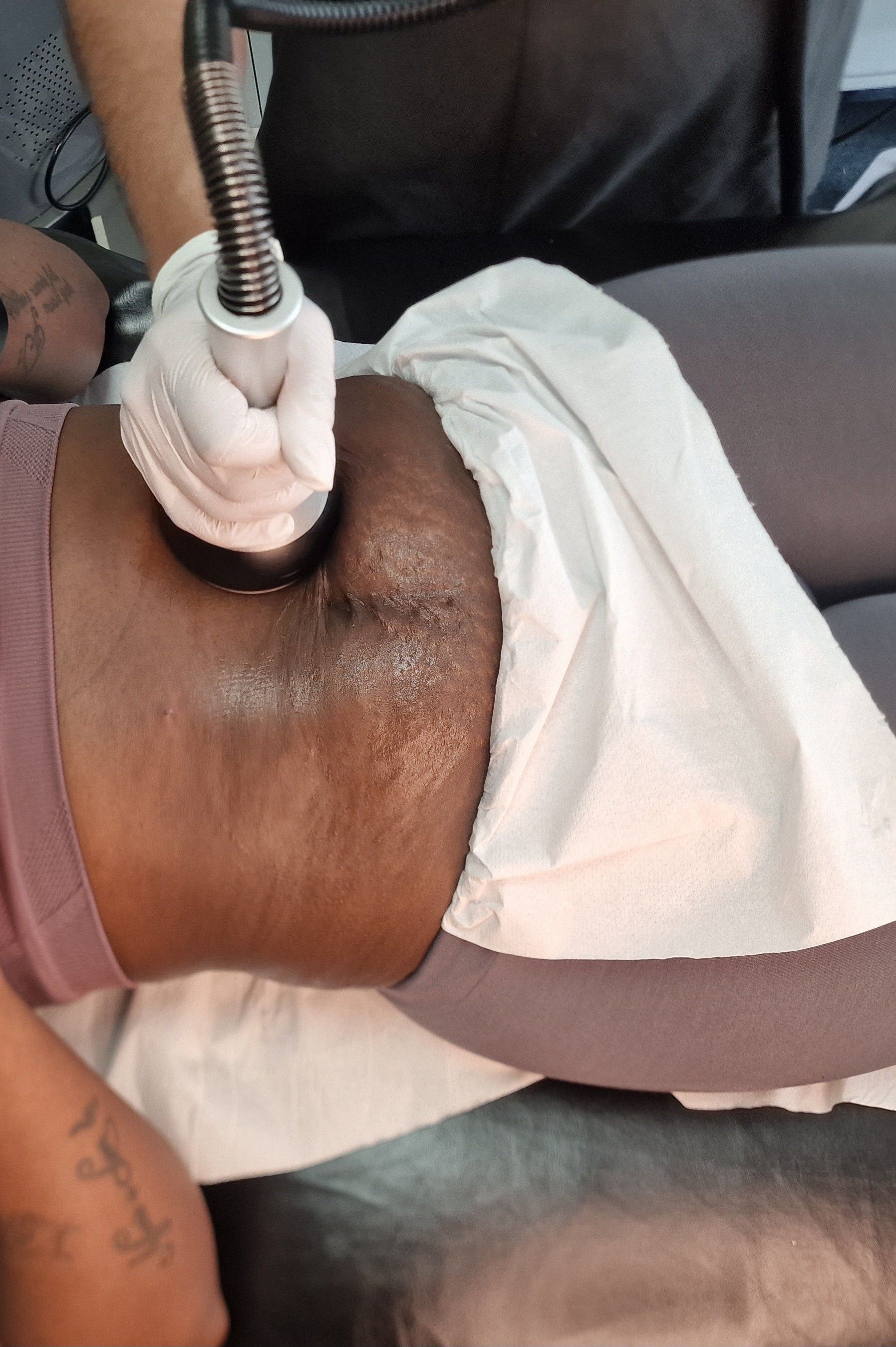
- Ultrasound (Cavitation): Our clinic offers ultrasonic cavitation. This helps break down fat but also supports lymph drainage and tissue remodelling. (suitability differs)
- Radiofrequency (RF) Skin Tightening: We offer RF to stimulate collagen in a controlled way. Done carefully, this can improve skin texture without worsening fibrosis.
4. Lifestyle & Patient Education
- Hydration & Nutrition: Supporting your lymphatic system through fluid intake and a nutrient-rich diet helps your body heal more effectively.
- Gentle Movement & Stretching: Depending on your recovery, gentle exercise (walking, light stretching) supports circulation and lymph flow.
- Follow-Up: We emphasise regular follow-ups, so we can detect early signs of fibrosis and intervene sooner rather than later.
When More Intensive Treatment Is Needed
For more established or stubborn fibrosis, more targeted approaches can help:
- Professional Massage / Deep Tissue Work: After the early healing phase, a therapist can apply firmer, deeper slow friction/stretch to break down fibrotic tissue.
- Ultrasound Therapy: Using ultrasound to provide a “micro‑massage” to scar tissue — often more effective than manual massage alone.
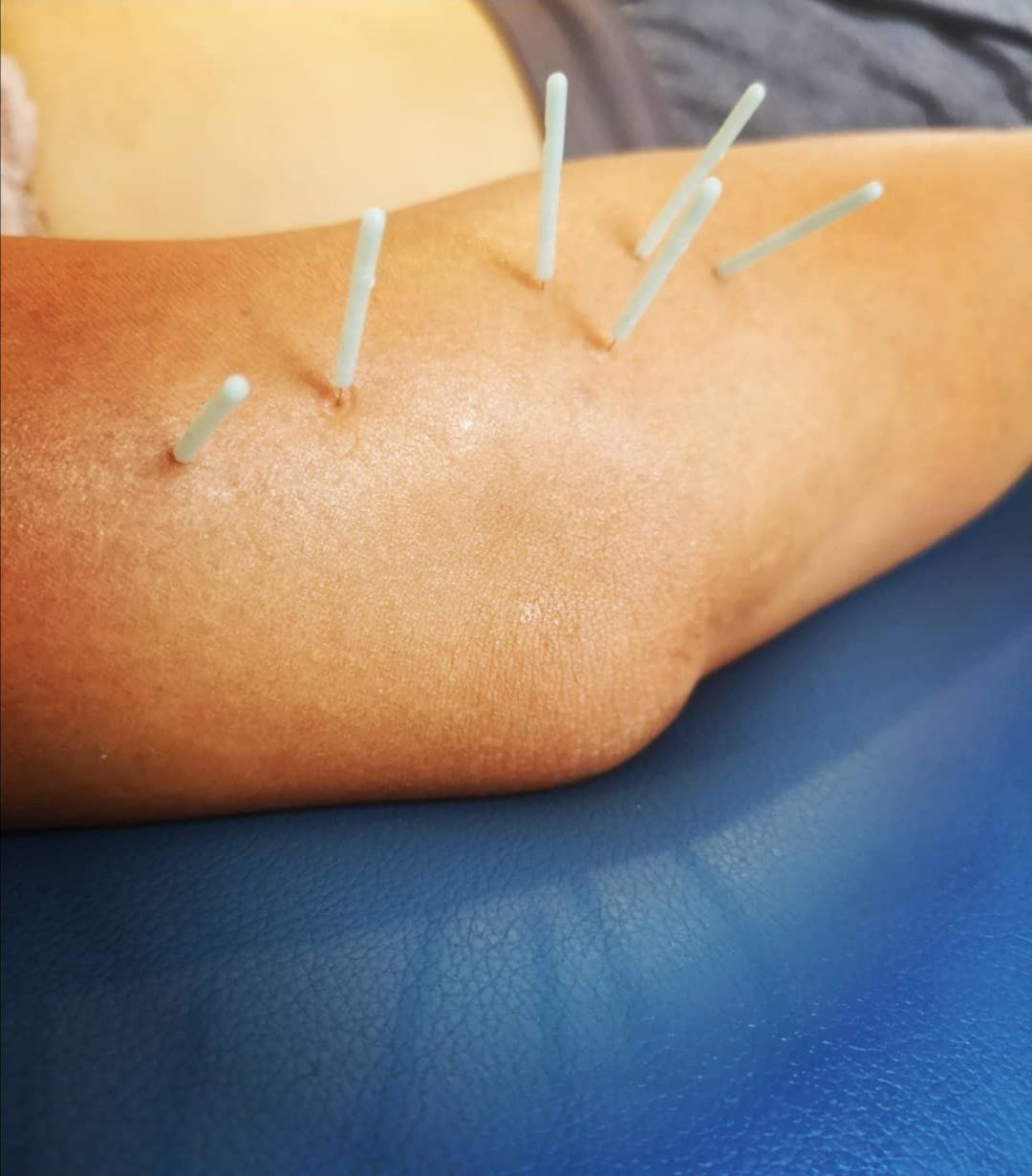
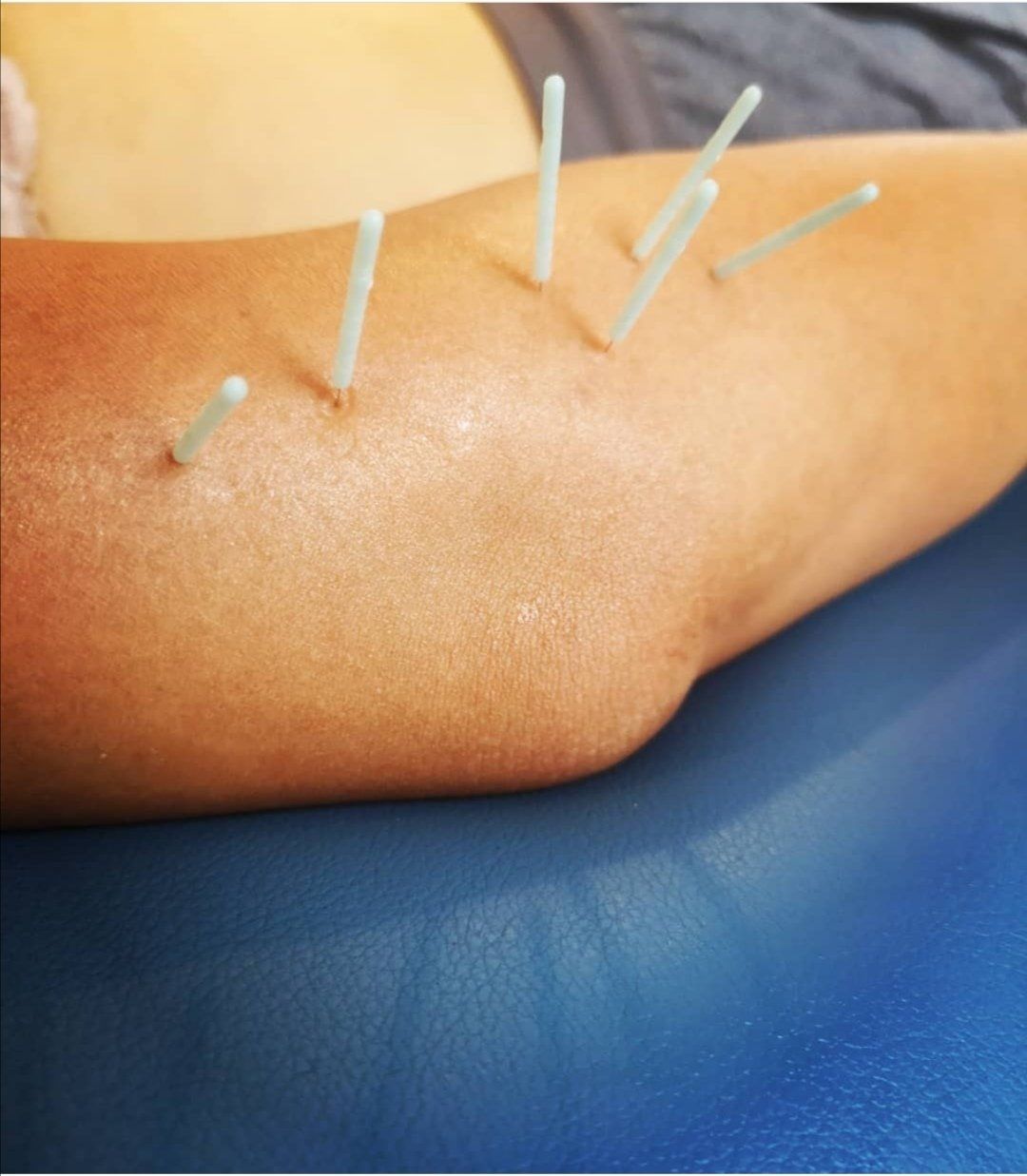
- Combined Therapies: Radiofrequency, Acupuncture, cupping- may be combined for remodelling and smoothing.
Patience Is Key: Fibrosis doesn’t resolve overnight. It may take weeks or months of regular treatment to see meaningful improvement.
Post-op fibrosis is not uncommon, but with proactive care, it doesn’t have to compromise your results. At Body Language Health, we believe in a holistic, patient-centred approach: combining manual therapies, compression work, exercise advice, and non-invasive technologies to support smooth, healthy healing.
If you're preparing for cosmetic fat removal, or are already in your recovery phase and concerned about fibrosis, our team in Woolwich or Wouldham can help design a tailored post-op plan.
Book a consultation with us to discuss your post-surgery recovery – we’d love to help you make the most of your results.
If you like, I can also include before-and-after case studies, patient stories, or graphics for this post — do you want me to add those?